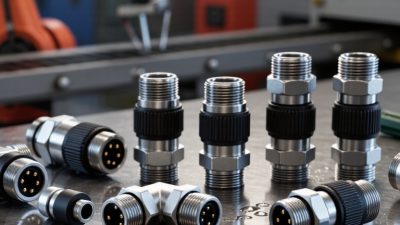
Why Choose Socapex Cable for Stage Lighting?

Socapex cable is a familiar sight on touring stages, festivals, and theater productions. Its multicore design lets crews carry several lighting circuits through one rugged run, reducing cable clutter between dimmer racks and fixtures. That matters when a stage is crowded with cases, stands, and moving crew members. Fewer separate runs can also make setup and strike more orderly.

Richard Cadena, an entertainment-electrics educator and author, is a recognized voice in entertainment power. A careful paraphrase of the practical principle reflected in his technical work is: “Reliable show power depends on sound planning, not a cable label.” This is a paraphrase, not a verified verbatim quotation about Socapex cable. The distinction matters. A connector name alone cannot confirm a cable’s rating, condition, or suitability.

The right choice depends on circuit count, current requirements, connector compatibility, cable length, and the demands of the venue. Check the jacket, connector pins, and strain relief before use; look for cuts, bent contacts, or loose fittings. Small details count. Socapex cable can simplify a lighting setup, but it is not a cure-all. Heavy multicore cable can be awkward to route, and poor handling can create problems. Understanding its strengths and limits helps lighting teams make safer, more efficient decisions—and choose the right cable for the actual rig.
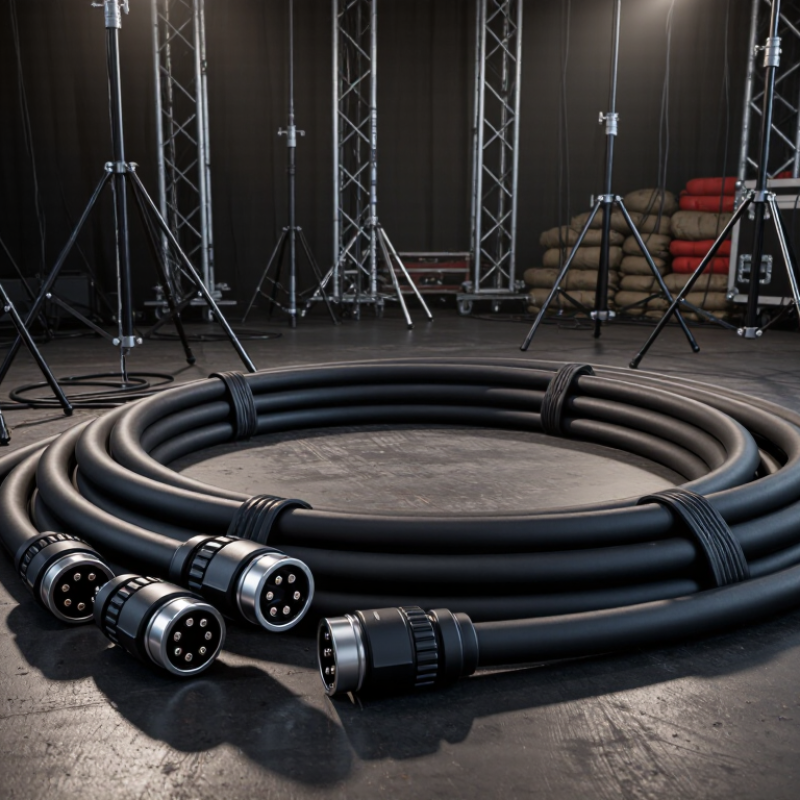
Why Choose Socapex Cable for Stage Lighting?

What Socapex Cable Is and How It Is Configured

Socapex cable groups several insulated power circuits inside one rugged outer jacket. A multi-pin connector at each end carries them through one cable run. In stage lighting, a common configuration distributes six circuits from a power source to a breakout near the fixtures. This can reduce cable clutter across a truss or stage deck. It is not automatically the best fit for every setup.

Configuration depends on the cable’s pinout and the equipment it connects. Each circuit typically carries line, neutral, and protective earth conductors. A breakout separates the circuits into individual connectors for lights or other loads. Pin assignments can vary, so check the wiring diagram rather than relying on connector appearance. Label both ends clearly. Small mistakes are easy to make in a dark, busy venue, and I would not assume an unfamiliar cable matches a familiar one.

Tips: Before use, inspect the jacket and connector pins. Confirm the pinout, current rating, and load with a qualified technician. Keep connectors dry and secured, especially where people move nearby.

How Socapex Cable Distributes Power to Stage Lights

Socapex cable carries several lighting power circuits through one heavy-duty multicore run. In a common six-circuit setup, power leaves a distribution rack through a correctly rated Socapex outlet. The connector carries each circuit along the cable to a breakout box near the stage or truss. Short tails then separate the circuits, allowing technicians to connect individual fixtures or local distribution equipment. One run can replace a messy bundle of cables across a busy deck.

The cable does not create power or increase a circuit’s capacity. Each outlet, connector, and tail must match the system’s pinout and electrical rating. A technician checks the source protection, balances loads where required, and inspects connectors for bent pins, heat marks, or loose fittings.

Small details matter. A damaged connector can interrupt several lights at once. In practice, the loom may look tidy while concealing a poor connection or uneven load; that deserves a second look, even when everything appears to work.

Keep the breakout accessible, and avoid placing it where scenery, foot traffic, or water can compromise the connections.

Where Socapex Cable Is Used in Stage Lighting Systems

Where 19-Pin Multipin Cable Is Used in Stage Lighting Systems

In theaters, 19-pin multipin power cables commonly connect dimmer racks or portable power distribution units to stage circuits. A single run can carry several separately protected circuits toward floor pockets, wing positions, or truss points. This reduces the number of individual cables crossing a busy stage. On touring rigs, crews may use feeder runs between the distribution area and lighting positions, then break out individual circuits near fixtures. Exact capacity depends on cable construction, connector rating, and the distribution equipment—not just the pin count. Modern LED fixtures may need separate power and data connections, so don’t assume every fixture suits the same cable layout.

Lighting power and control are different jobs. ESTA’s ANSI E1.11 DMX512-A standard defines a DMX universe with up to 512 control slots; DMX carries control data, not mains power. That distinction helps crews plan separate power and signal paths. The U.S. Department of Energy reports that LEDs use at least 75% less energy than incandescent lighting, but reduced fixture demand does not remove the need to check circuit loading and protection. The awkward detail is that real rigs vary: label both ends and verify the actual load.

Tip: Keep power runs clear of walkways, inspect connectors for damage, and confirm circuit assignments before raising truss. A quick check matters.

Why Choose Socapex Cable for Stage Lighting? — Where It Is Used in Stage Lighting Systems

System Area Typical Use Why a Multi-Circuit Cable Helps Key Considerations
Dimmer or power distribution to stage lighting Carries several separate power circuits from a suitable distribution unit to lighting positions. A single multicore run can replace multiple individual cables along the same route, helping keep cable paths organized. Confirm the connector pinout, circuit protection, conductor size, and current rating for the specific cable and equipment.
Stage wings and side-light positions Feeds lighting fixtures or local breakouts positioned at the sides of a stage. Bundling circuits can simplify setup and reduce the number of separate cable runs crossing backstage routes. Route cables to avoid walkways, sharp edges, heat sources, and pinch points; use suitable protection where needed.
Overhead trusses and lighting bars Runs from a power or dimmer position to a truss, bar, or overhead lighting location, often via a breakout. One multicore cable can deliver multiple circuits to a shared lighting position. Secure the cable with approved rigging and strain-relief methods. Do not let connectors or cable weight place stress on equipment outlets.
Temporary event and touring systems Used for repeatable connections between distribution, stage positions, and lighting breakouts at different venues. A standardized multicircuit approach can make deployment and cable management more efficient when compatible equipment is used. Inspect cables and connectors before use. Verify compatibility rather than relying on connector appearance alone.
Lighting breakouts and fan-outs Splits a multicore feed into individual outlet circuits near fixtures or a lighting position. Keeps the longer cable route consolidated while allowing individual fixtures to connect near the destination. Use a correctly wired breakout with suitable outlet ratings and circuit identification. Avoid exceeding the capacity of any circuit.
Power distribution between stage zones Connects compatible multicircuit distribution equipment across nearby stage or backstage areas. Can reduce cable clutter when multiple independently protected circuits need to follow one route. It carries electrical power, not lighting-control data. Use separate, appropriate cabling for control networks and signals.
Connector and circuit planning A common 19-pin multicircuit arrangement is designed to carry six power circuits using a shared protective-earth connection. Multiple circuits can be connected through one multipin interface instead of several separate connectors. Pin assignments and electrical ratings can vary by equipment and region. Check documentation and applicable electrical rules before connection.

Note: Actual current capacity depends on the cable construction, connector rating, circuit protection, installation conditions, and local electrical requirements. Have power systems selected and connected by qualified personnel.

Key Benefits of Socapex Cable for Lighting Crews

Socapex cable gives lighting crews a practical way to carry several power circuits through one rugged run. Instead of routing many separate cables from dimmer or power positions, crews can connect a multicore cable to a compatible breakout. This can reduce clutter around truss legs and stage wings. A tidier run is easier to trace. It also leaves fewer loose cables underfoot.

For touring and temporary stages, the durable outer jacket and locking connectors help withstand frequent handling. Setup and pack-down can be faster, especially when cable paths are marked and consistently planned. Circuit identification still matters: label both ends, check the pinout, and confirm that connectors and cable ratings match the equipment. Socapex configurations vary, so never assume every assembly has the same wiring or capacity. A compact cable is useful, but it can be heavy and awkward on long pulls.

Tips: Inspect connector shells, pins, and strain relief before use. Keep the cable clear of sharp edges, and avoid pulling it by the connector. Test each circuit after connection, not just the whole run. If a breakout is poorly labeled, stop and verify it; guessing can waste valuable setup time. A little extra checking helps.

How to Choose and Handle Socapex Cable Safely

A 19-pin multipin cable can carry several lighting circuits through one run, so choose it by pinout, conductor size, current rating, and required length. Match every connector to the lighting equipment’s wiring diagram; matching shells do not guarantee matching pin assignments. Longer runs can increase voltage drop, while tightly bundled cables may retain heat. Check the cable’s rated conditions and ask a qualified technician when the load is unclear. The U.S. Bureau of Labor Statistics recorded 5,283 fatal work injuries in 2023 across all industries. That figure is not specific to electrical work, but it underscores why routine checks matter.

Before each use, inspect the jacket, pins, shells, and strain relief. Look closely for cuts near the connector and pins that appear bent or discolored. Keep connectors dry, seat them fully, and secure cable runs away from walkways or sharp stage edges. Follow OSHA’s portable-cord inspection guidance in 29 CFR 1910.334(a)(2)(ii), and remove damaged cable from service rather than taping over a defect. Coil cable loosely; tight bends can stress conductors inside the jacket.

Tips: Label both ends with circuit and destination. Keep connections off wet floors, and never pull a cable by its connector. If a cable feels unusually warm, disconnect it safely and have the load and cable checked.

Socapex Cable: Voltage Drop vs. Run Length

Longer cable runs can increase voltage drop. This illustrative estimate assumes one 2.5 mm² copper circuit carrying 16 A at 230 V, using a simplified single-phase calculation; it is not a cable ampacity rating. Check the cable specification, load, connectors, and applicable electrical rules, and inspect cables before use.