How to Choose the Right Industrial Connectors for Your Needs?
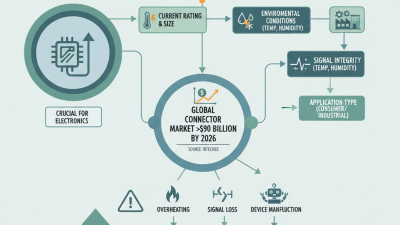
Choosing the right industrial connectors is crucial for efficient operations. The global industrial connectors market is expected to reach $12.5 billion by 2026, according to a report by MarketsandMarkets. This growth highlights the increasing importance of reliable connectivity in various sectors. Industrial connectors play a vital role in ensuring robust communication and power distribution in manufacturing, automotive, and telecommunications industries.
Selecting the appropriate industrial connectors involves understanding your specific needs. Different applications may demand varied specifications, such as environmental resistance or voltage rating. It is vital to consider factors like durability and performance. Additionally, poor connector choices can lead to costly downtime and operational inefficiencies. Many professionals overlook this aspect, leading to regrettable investments.
Moreover, the technology advances continually change connector designs and materials. Industry experts recommend consulting technical documentation and manufacturer guidelines. A thoughtful approach is essential to ensure compatibility and performance. When in doubt, investing in expert advice can prevent future mishaps. The goal should always be to create a reliable, long-lasting connection tailored to your operational needs.
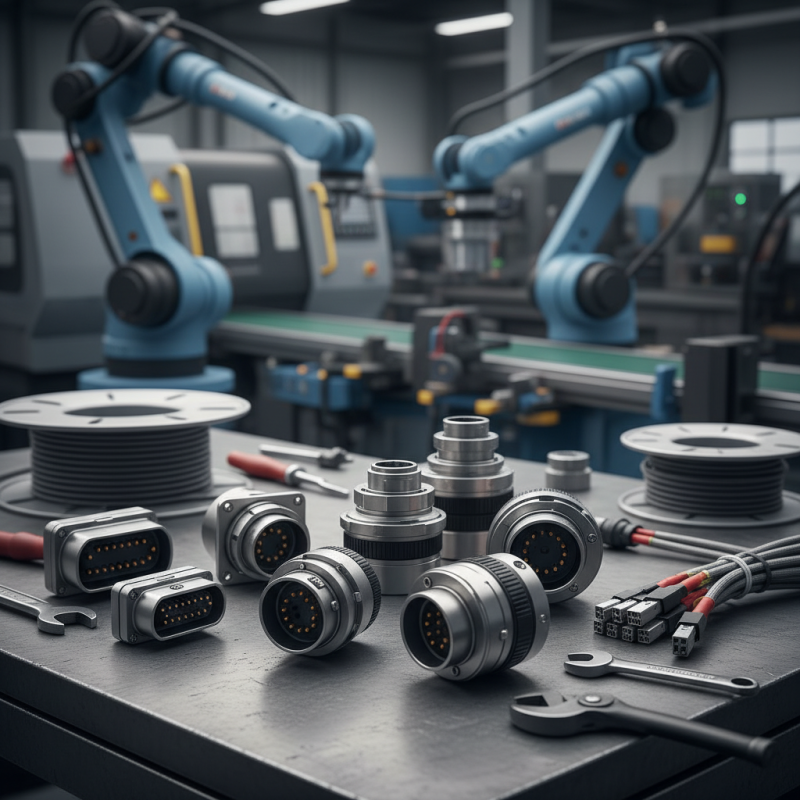
Understanding the Different Types of Industrial Connectors
Understanding the different types of industrial connectors is crucial for effective equipment integration.
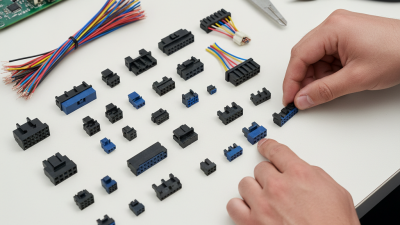
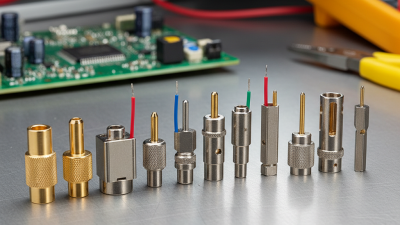
Industrial connectors vary significantly in design and functionality. Some connectors are circular, while others are rectangular. The shape impacts how they fit into systems, affecting ease of installation and maintenance.
Connectors can be classified by their applications. Data connectors focus on signal transmission and are essential for communication systems. Power connectors handle electrical currents and are used in machinery. Choosing the right type can improve performance and reduce downtime. It’s essential to consider the environment too. Connectors exposed to moisture or dust need specialized sealing features.
One must also reflect on compatibility. Using mismatched connectors can lead to failures. Review the specifications carefully. Seek connectors that are rated for the voltage and current your system requires. Testing connectors during installation helps ensure reliability. Regular inspections can reveal signs of wear, prompting timely replacements.
Evaluating Application Requirements for Connector Selection
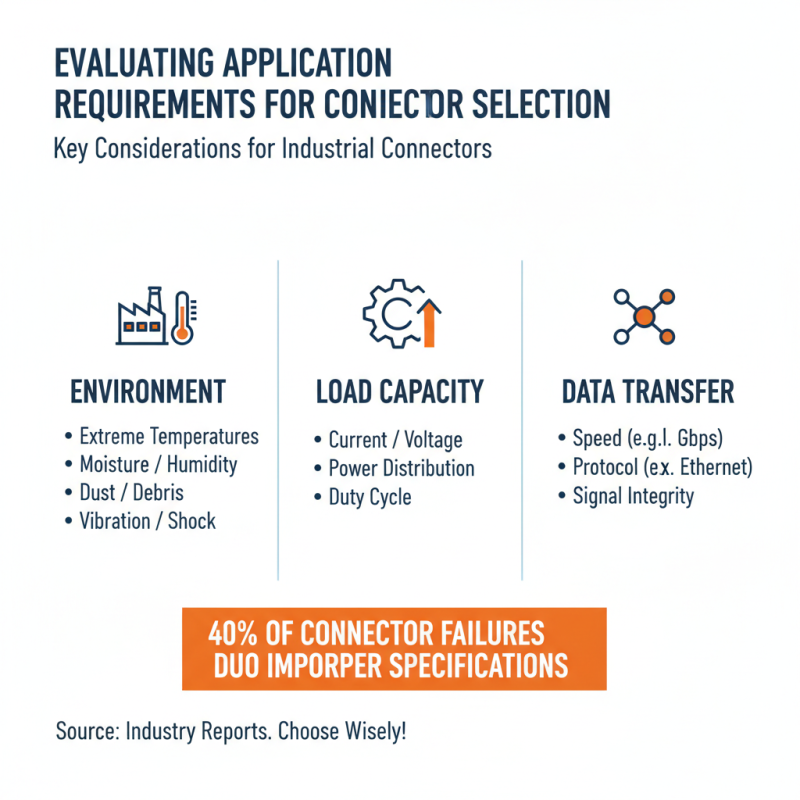
When selecting industrial connectors, understanding application requirements is vital. Every project has unique demands. The environment, load capacity, and data transfer speed need careful evaluation. For example, harsh conditions may require connectors that withstand extreme temperatures or moisture. Reports indicate that 40% of connector failures are due to improper specifications.
Connector types differ widely. Some applications favor circular connectors, while others might lean towards rectangular. It's crucial to assess the mechanical stress and vibration levels connectors will face. In one study, 30% of users reported performance loss attributed to inadequate connector type. A connector that fits well in one scenario might fail in another.
Data transmission speed also plays an important role. Industries increasingly rely on faster connections. Research shows that 70% of companies expect significant efficiency gains from selecting the right connectors. However, selecting connectors without thorough analysis can lead to costly mistakes. The balance between performance and cost often requires re-evaluation of requirements. Each project is different, and solutions should reflect those distinctions.
Key Specifications to Consider in Industrial Connectors
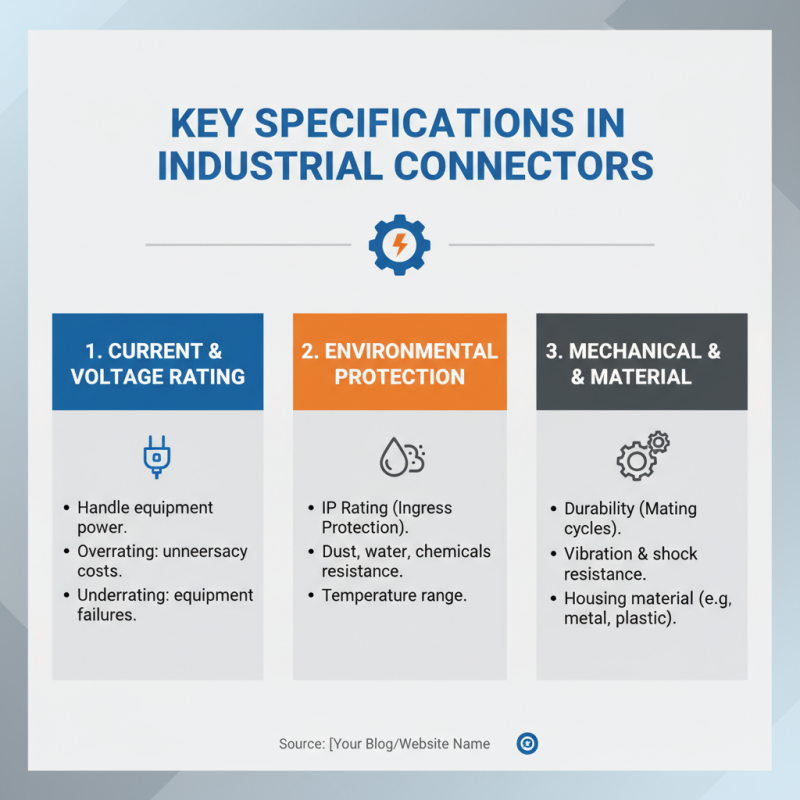
When selecting industrial connectors, several key specifications come into play. Understanding these specifications can significantly impact your project's success. One crucial aspect is the current and voltage rating. Ensure the connectors you choose can handle the power requirements of your equipment. Overrating may lead to unnecessary costs, while underrating can cause equipment failures.
Another important factor is the environmental rating. Connectors designed for harsh conditions like moisture, dust, or extreme temperatures should be prioritized. Look for connectors with an appropriate IP (Ingress Protection) rating to ensure durability. Corrosion resistance is also vital, especially in industrial settings where chemicals are present.
Finally, consider the physical design of the connectors. Size and weight affect installation and maintenance processes. Keep in mind that complex connectors may require more time for installation, which might lead to delays. Reflecting on these details can lead to better choices for connectivity in challenging environments.
Assessing Environmental Constraints and Durability Needs
Selecting the right industrial connectors demands a careful assessment of environmental factors. Different industries face unique challenges. For instance, harsh weather, moisture, or chemical exposure can affect connector performance. According to a report by MarketsandMarkets, over 30% of failures in industrial systems are linked to connector issues.
Durability is crucial. Connectors must withstand vibration, temperature fluctuations, and corrosion. Areas with high humidity require connectors with additional sealing features. A study from Frost & Sullivan reveals that connectors designed for extreme conditions can extend system longevity by up to 25%. Choosing a durable connector can reduce maintenance costs significantly.
Testing is essential. Many connectors may claim durability but fail under real conditions. Evaluate products based on industry standards like IEC and UL certifications. Reliable data on product performance from industry reports can guide decisions. A connector could look robust on paper but may not perform in your specific environment. Regular assessments can help identify failure points before they escalate.
Budgeting and Supplier Selection for Industrial Connectors
When budgeting for industrial connectors, it's essential to assess your specific needs. Consider the operational environment. Is it high-temperature? Will it face moisture? The right connector withstands these conditions. Such details influence pricing. Higher durability often means higher upfront costs.
Supplier selection is just as critical. Look for suppliers with a proven track record. Experience in your industry adds value. Seek feedback from previous customers. Are they satisfied with the quality and support? Reliable suppliers offer detailed product documentation, ensuring compliance with industry standards.
Pricing isn't everything. Evaluate the total cost of ownership. A cheaper connector might lead to more replacements over time. Weigh initial costs against performance longevity. This approach may lead you to invest in higher-quality options that ultimately save money. Always consider the potential risks; a poor choice may affect your operations.
Choosing the Right Industrial Connectors: Budget and Supplier Selection
This chart illustrates the distribution of budget allocation for different types of industrial connectors based on usage. The selection of suppliers plays a crucial role in optimizing costs and ensuring product quality.