How to Choose the Right Photovoltaic Connectors for Your Needs?
Choosing the right Photovoltaic connectors is essential for solar energy systems. According to the Solar Energy Industries Association (SEIA), the U.S. solar market grew by 42% in 2020. Proper connectors ensure efficient energy transfer and system longevity. Poor choices may lead to significant performance losses.
Photovoltaic connectors have various types, each designed for specific applications. Compatibility with solar panels and inverters matters. The market demands connectors that withstand environmental stress, including heat and moisture. A mismatch can result in costly repairs or safety hazards.
Many professionals underestimate the impact of connector quality. Yet, subpar connectors may accelerate degradation, leading to failures. Energy loss from faulty connections can reach 5% to 15%. Thus, selecting the appropriate photovoltaic connectors is not just a technical requirement; it reflects a commitment to reliability and efficiency in solar installations.
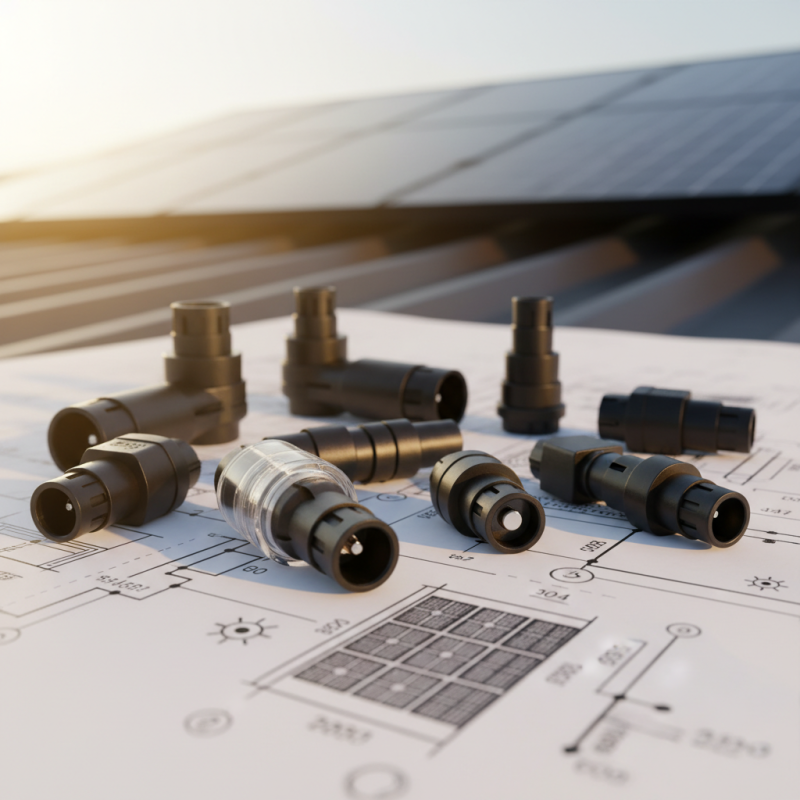
Understanding Photovoltaic Connectors: Types and Functions
Photovoltaic connectors play a crucial role in solar energy systems. They serve to connect solar panels, inverters, and batteries efficiently and safely. Understanding the types and functions of these connectors is essential for optimal system performance. According to the Solar Energy Industries Association, improper connector choices can lead to energy loss and safety hazards.
There are several types of photovoltaic connectors available. MC4 connectors are among the most common. They are waterproof and provide a reliable connection. Another type is the H4 connector, which is used for higher current applications. Yet, many users overlook the specifics of these connectors. Not all connectors are compatible with every panel type, which can result in inefficiencies or even damage to the system.
When choosing connectors, consider factors like current ratings and environmental conditions. A report from the International Energy Agency reveals that incorrect connector choices can decrease energy yield by up to 10%. Many installers might underestimate the impact of temperature and moisture. These elements can significantly affect connector performance. Taking the time to understand the various types can save money and enhance energy output in the long run.
Key Factors to Consider When Selecting Photovoltaic Connectors
When selecting photovoltaic connectors, several key factors deserve attention. Start with the environmental conditions. Connectors should be rated for temperature extremes, humidity, and UV exposure. According to industry data, connectors can fail if not designed for specific climates. For instance, connectors in harsh environments may need additional sealing or stronger materials.
Electrical specifications are crucial. Ensure connectors can handle the voltage and current levels in your system. Reports indicate that incorrectly rated connectors can lead to overheating and inefficiencies. Many installations recommend connectors rated higher than the system’s maximum voltage. This adds a layer of safety and longevity.
Compatibility with existing equipment also plays a vital role. Different connectors may not be interchangeable, leading to costly modifications. Research suggests that a mismatched system can decrease energy efficiency by up to 15%. Always check specifications before making a selection. Don't overlook manufacturer guidelines; they are there for a reason.
Photovoltaic Connectors Selection Analysis
This chart illustrates the importance ratings for various factors to consider when selecting photovoltaic connectors. Each dimension reflects how crucial these factors are in ensuring optimal performance and reliability in solar energy systems.
Compatibility with Your Solar Panel System: A Critical Requirement
When choosing photovoltaic connectors, compatibility with your solar panel system is key. Proper connectors ensure efficient energy transfer and system longevity. According to the National Renewable Energy Laboratory, up to 15% of energy can be lost through inadequate connections. Thus, selecting the right connectors minimizes loss and maximizes output.
Tips: Consider the voltage and current ratings of your solar panels. Ensure that the connectors meet or exceed these specifications. Additionally, check environmental ratings. Connectors used outdoors should resist UV exposure and moisture.
It is essential to evaluate the physical fit of connectors. Mismatched sizes can lead to loose connections. That can cause arcing and potential system failure. Reports suggest that around 20% of solar installation issues stem from such compatibility problems. It’s a reminder that careful selection is crucial. Always consult technical specifications or professional guidance when in doubt.
How to Choose the Right Photovoltaic Connectors for Your Needs? - Compatibility with Your Solar Panel System: A Critical Requirement
| Connector Type | Wire Size (AWG) | Voltage Rating (V) | Current Rating (A) | Weather Resistance | Applications |
| MC4 | 10-14 | 1000 | 30 | IP67 | Grid-tied Systems |
| Tyco/AMP | 14-10 | 600 | 20 | IP68 | Off-grid Systems |
| H4 | 10-12 | 1500 | 40 | IP67 | Commercial/Utility Scale |
| Solis | 12-14 | 750 | 10 | IP65 | Residential Solar |
Evaluating Durability and Weather Resistance of Connectors
When selecting photovoltaic connectors, durability and weather resistance are key factors. Connectors face harsh conditions. They must endure extreme temperatures, humidity, and other environmental factors. This makes the choice of materials crucial. Plastic housings with UV protection can resist sun exposure, while certain metals can combat corrosion.
Look for connectors tested for various weather conditions. Some are rated for water exposure, while others hold up against dust. Check if a connector meets relevant standards for environmental stress. This can help you avoid premature failures. If a connector shows signs of wear or damage, it's essential to rethink your selection. A small issue now can lead to bigger problems later.
Consider the installation location. Connectors placed in shaded areas may have different needs than those exposed to direct sunlight. Reflect on your setup regularly. Assess whether the connectors are holding up as expected. Sometimes, frequent maintenance can override the need for expensive, high-end options. Balancing quality and cost might require some experimentation.
Installation and Maintenance Tips for Optimal Performance
When it comes to photovoltaic (PV) installations, proper connector choices significantly impact performance. Incorrect connectors can lead to losses. Research shows that poor connections can reduce energy efficiency by up to 30%. Selecting the right connectors is crucial for maximizing output.
Installation plays a pivotal role in ensuring optimal performance. During installation, ensure connectors are securely fastened. Loose connections can cause overheating, leading to potential system failures. Proper cable management is equally essential. Avoid sharp bends in cables. Such oversights may lead to wear and tear over time.
Regular maintenance is key for sustaining efficiency. Inspect connectors for signs of corrosion or damage every six months. Cleaning connectors can enhance conductivity. Studies reveal that neglected connectors can lose up to 15% of their performance over time. Learn from these numbers; ignoring maintenance can be costly. A proactive approach to checking connectors prevents failures and maintains system integrity.