How to Choose the Right Wire to Board Connector for Your Project?

Selecting the right wire to board connector is crucial for project success. Expert John Smith, a leader in connector technologies, emphasizes, "The right connector can make or break your device." Choosing the appropriate wire to board connector can improve reliability and enhance performance.

Understanding specifications is key. Different projects require different features. For instance, consider the pin count, current rating, and environmental factors. These details can impact the overall functionality of your project. Misjudging these aspects may lead to costly errors.

In an industry that constantly evolves, staying updated is vital. New materials and designs emerge that can affect your choice of wire to board connector. Reflecting on past projects can also provide insights. What worked well? What didn’t? These reflections can guide future decisions and ensure project success.
How to Choose the Right Wire to Board Connector for Your Project?

Understanding the Different Types of Wire to Board Connectors Available
How to Choose the Right Wire to Board Connector for Your Project?

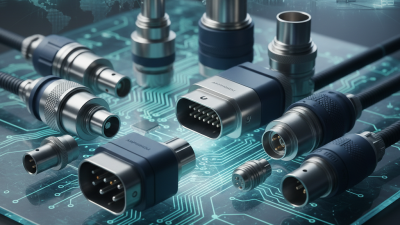
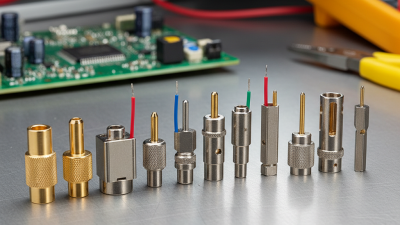
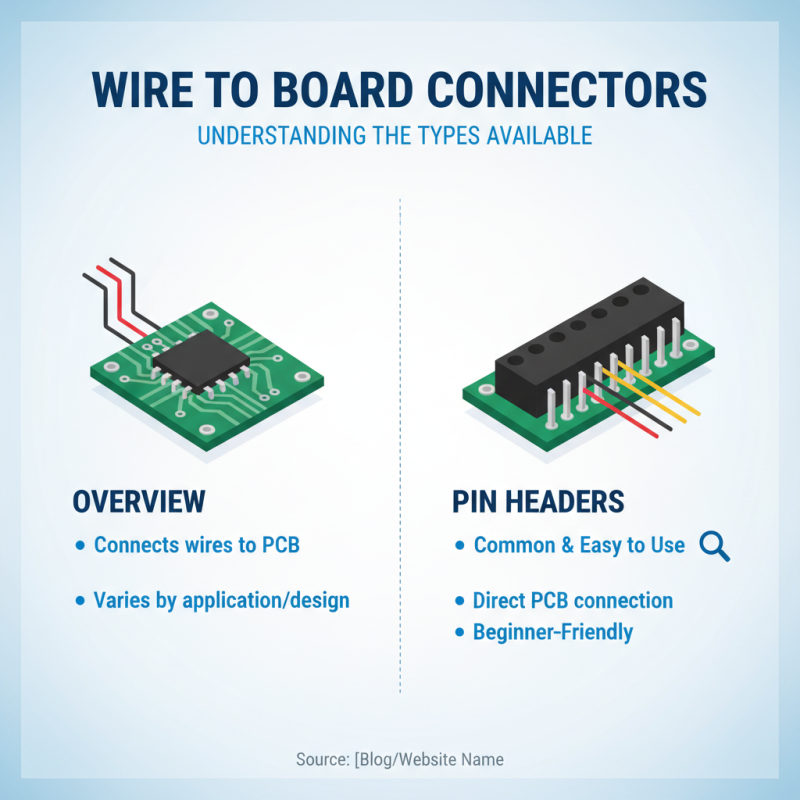
When selecting a wire to board connector, it’s crucial to understand the types available. Wire to board connectors serve different needs based on application and design. For instance, pin headers are common in many projects. They connect wires directly to a PCB (printed circuit board) and are easy to use. Their simplicity makes them a favorite among beginners.

Another popular type is the socket connector. This type allows more flexibility in connection and can simplify the replacement process for faulty components. Socket connectors often come in variants, including locking mechanisms to ensure a secure fit. However, they may require more space on a PCB, which can be an issue in compact designs.

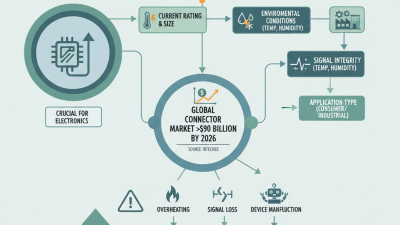
Consider also the connector's current rating and wire gauge. Different applications may demand different specifications. Some connectors handle high currents, while others are suitable for lower loads. It’s essential to match these specifications to your project. Selecting the wrong type can lead to overheating or failure. Make sure to assess the environment as well. Moisture or dust exposure can affect performance. Think about using sealed or rugged connectors in these situations.
Evaluating Current Ratings: Ensuring Compatibility with Your Project Needs

When selecting a wire to board connector, evaluating current ratings is crucial. It ensures compatibility with your project's needs. Current ratings indicate the maximum current a connector can safely handle. Exceeding this limit can result in overheating or connector failure. According to industry reports, choosing connectors with a current rating higher than your needs provides a safety buffer. This practice minimizes risks associated with electrical faults and enhances overall system reliability.

Consider the specific requirements of your project. For example, high-power applications often require connectors rated for 15A or more. Conversely, low-power applications might only need connectors rated for 3A. The type of insulation also impacts the connector's performance. Connectors with better insulation can handle higher temperatures and reduce the risk of short circuits. Understanding these specifications can improve the longevity of your project.

Remember, not all connectors are created equal. The best option may not always be the most expensive or highest-rated connector. Sometimes, a well-rated connector with lower current capacity fits a specific application just fine. Conduct thorough testing to evaluate real-world performance. Ensure your selection process includes an assessment of the connector’s thermal management capacity. Balancing current capacity with cost and size is vital for achieving optimal results.

Factors Affecting Connector Size: Pitch and Pin Count Considerations

When selecting a wire to board connector for your project, two critical factors come into play: pitch and pin count. Pitch refers to the distance between the center of one pin to the center of the next. A smaller pitch allows for denser connections. Conversely, a larger pitch provides easier handling and soldering. The size of the connector should suit your design's specific space constraints.

Pin count is another essential consideration. More pins enable additional functionalities, such as data transmission and power supply. However, more pins can complicate your design. A balance is necessary; too many pins can lead to pin congestion, while too few may limit capability. Consider the electrical requirements and design layout carefully. Each project may require a unique approach to balancing these factors.

In addition to pitch and pin count, assess the overall connector size. Larger connectors may seem robust, but they can occupy valuable real estate on a circuit board. It’s vital to reevaluate your choices and understand how each factor impacts your project’s performance. Testing various configurations can clarify the best fit for your specific needs. Be open to the adjustments that may arise during this process.

How to Choose the Right Wire to Board Connector for Your Project?

Connector Type Pitch (mm) Pin Count Current Rating (A) Common Applications
Molex 0.100" 2.54 2-15 3-5 Consumer Electronics, Automotive
JST PH Series 2.0 2-12 2 LED Lighting, Robotics
Samtec TP Series 1.27 2-50 0.5-1 Data Communication, Telecommunications
TE Connectivity AMP 1.00 2-16 3-10 Industrial Equipment, Home Appliances
Wurth Elektronik 6194 1.00 2-12 10 Mobile Devices, Wearables

Material Choices for Connectors: Impacts on Durability and Performance

How to Choose the Right Wire to Board Connector for Your Project?

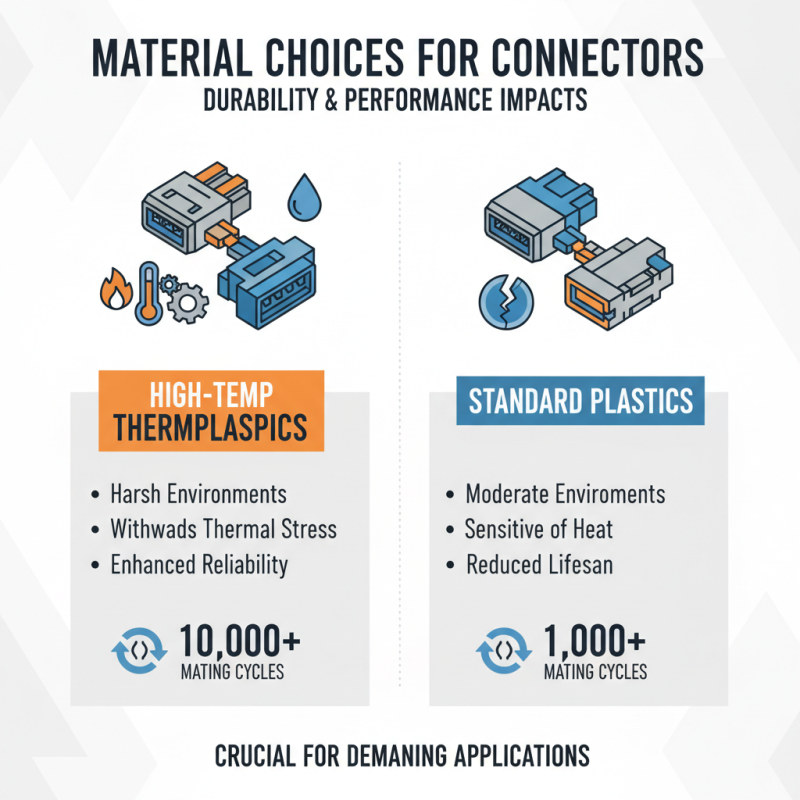
When selecting wire-to-board connectors, the material choice significantly influences both durability and performance. For instance, connectors made from high-temperature thermoplastics perform better in harsh environments. These materials withstand thermal stress, ensuring reliability. Data from industry studies indicate that connectors with these thermoplastics can last over 10,000 mating cycles, a crucial factor in demanding applications.

Moreover, the conductivity of connector materials affects electrical performance. Copper alloys are often preferred due to their superior conductivity compared to other metals. Reports show that using copper can reduce resistance by up to 30%. However, cost and corrosion resistance must also be considered. Connectors exposed to moisture or chemicals may degrade more quickly, impacting signal integrity.

Choosing the wrong material can lead to premature failure. This requires careful consideration of the project’s specific demands. Engineers must weigh the qualities of each material against potential environmental challenges. Balancing performance with cost-effectiveness is not always straightforward. The decision-making process can involve trade-offs that require deeper analysis. Understanding the implications of material choices ensures that the final connector selection meets both functional and longevity requirements.

Making Wire Selections: Gauge and Insulation for Optimal Electrical Conductivity

Selecting the right wire gauge is crucial for ensuring optimal electrical conductivity. According to a study by the Institute of Electrical and Electronics Engineers (IEEE), using an inappropriate gauge can lead to overheating and increased resistance. For most applications, the American Wire Gauge (AWG) standard is used. A lower AWG number corresponds to a thicker wire. For instance, 12 AWG wire can carry more current than 16 AWG wire, making it more suitable for power-intensive projects.

Insulation also plays a vital role. Different types of insulation materials can withstand varying temperatures and environmental conditions. PVC is commonly used, but it may not perform well under extreme heat. In contrast, Teflon insulation can handle higher temperatures, which is essential in demanding situations. In recent reports, the National Electrical Manufacturers Association (NEMA) highlighted that proper insulation can improve safety and reliability. Choosing the right insulation can also contribute to lower energy losses.

A mismatch in wire gauge or insulation can lead to significant issues. Over time, underestimating the required thickness may cause electrical failure. The choice of wire, thus, should be made with careful consideration of the project's demands. Remember, even marginal differences in gauge can alter performance. Proper evaluation of both gauge and insulation ensures efficiency and safety in electrical projects.

Wire Gauge Selection and Electrical Conductivity

This bar chart illustrates the current carrying capacity of different wire gauges commonly used in electrical projects. Choosing the right wire gauge is essential for ensuring optimal electrical conductivity and preventing overheating.