How to Choose the Right Military Connectors for Your Needs?

Choosing the right military connectors is crucial for reliable operations. Military connectors are designed to withstand extreme environments. They must ensure durability and maintain performance under pressure.

When selecting military connectors, consider the specific requirements of your application. Factors include temperature, humidity, and vibration levels. Each detail matters. It’s vital to think about the connector's sealing capabilities and its resistance to corrosion.

Selecting a military connector can be overwhelming. With many options on the market, it helps to consult experts or reliable resources. Understanding your needs will lead to better decisions. Reflect on past experiences to improve your selection process. Prioritize quality to enhance your systems' reliability.
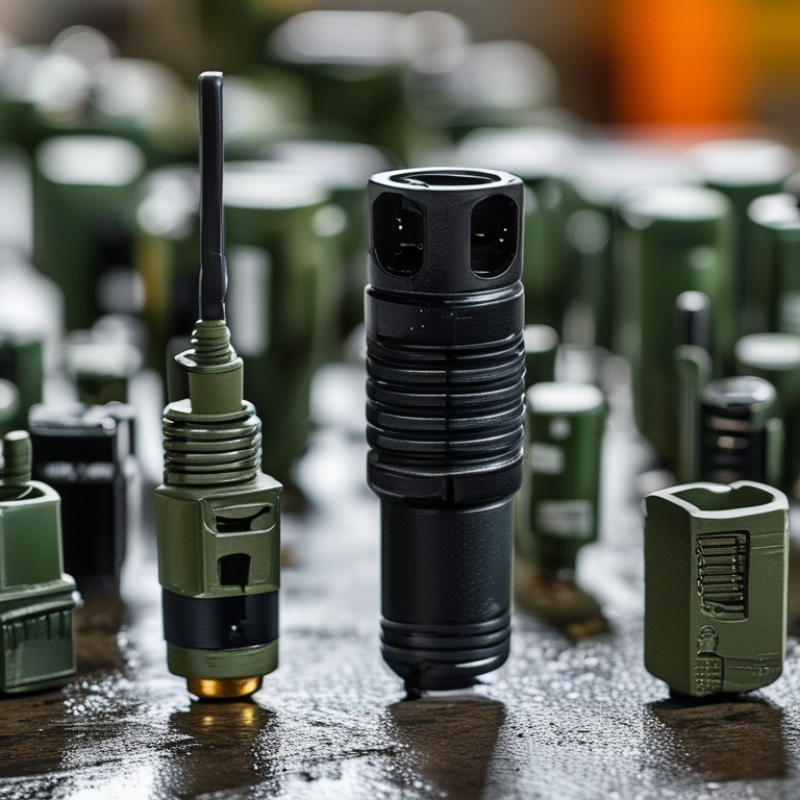
How to Choose the Right Military Connectors for Your Needs?

Understanding Military Connector Types and Their Applications

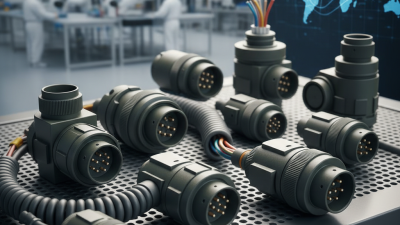
When choosing military connectors, understanding their types and applications is crucial. Military connectors are designed to withstand harsh conditions. They come in various configurations, including circular, rectangular, and modular designs. Each type has specific uses, so knowing the requirements of your project is essential. For instance, circular connectors are often used in aerospace applications due to their lightweight and durable materials. Meanwhile, rectangular connectors may suit ground-based systems better because of their robust body and high pin counts.

Different environments pose unique challenges. For example, connectors used in naval applications must resist corrosion and moisture. In contrast, those in land-based systems might need additional strength to withstand vibrations. It's essential to assess these factors carefully. Sometimes, the widest selection isn’t the best choice. Over-engineering can lead to unnecessary weight and cost. Striking a balance between performance, reliability, and practicality is key. A deep understanding of these elements will guide you toward the right connectors for your needs. Frequent revisions of choices may send you back to the drawing board. That's part of the journey.

Evaluating Environmental Factors for Connector Selection

Selecting military connectors requires careful consideration of environmental factors. Connectors often face extreme conditions, including temperature fluctuations, moisture, and dust. According to a report by the Military Specification (MIL-SPEC), connectors must sustain temperatures from -55°C to over 125°C in operational environments. This aspect is crucial for ensuring reliable performance in harsh situations.

Moisture resistance is another critical factor. Connectors need an IP68 rating to withstand prolonged submersion in water. A study published in the Journal of Military Electronics noted that 25% of connector failures occur due to inadequate sealing against moisture. It emphasizes that even minor flaws in sealing can lead to significant operational risks.

Additionally, vibration resistance is essential in military applications. Connectors may face high levels of vibration from vehicles or aircraft. The same Journal highlights that connectors designed specifically for these conditions can reduce failure rates by up to 40%. Selecting connectors that meet stringent military standards can mitigate risks and enhance reliability. Understanding these environmental factors will lead to better decisions when choosing the right military connectors.

Assessing Electrical Requirements for Military Connectors

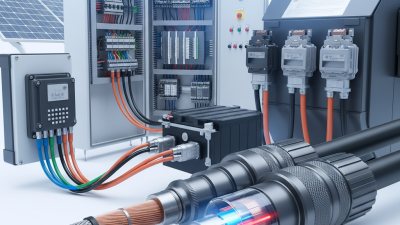
When selecting military connectors, assessing electrical requirements is essential. Electrical characteristics, such as voltage rating and current capacity, impact performance. For example, connectors typically rated for 500V and 25A are common in military applications, ensuring reliability in harsh environments. According to a report from the Military and Aerospace Electronics sector, connectors must withstand extreme temperature ranges, often from -55°C to 125°C.


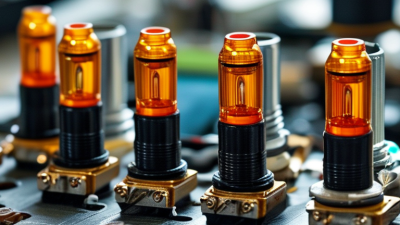
Military Connectors Example

Material selection also plays a critical role in the performance of military connectors. Many connectors utilize corrosion-resistant materials to ensure longevity under adverse conditions. The use of nickel plating and other robust coatings can significantly decrease failure rates, particularly in salt fog environments. Data shows that connectors with proper sealing mechanisms reduce moisture ingress, thus maintaining electrical integrity.


Evaluating the connector's physical requirements is another vital step. Size and weight constraints often limit options. The weight of connectors can impact overall equipment performance and efficiency. Adverse weight factors can lead to increased fuel consumption in military vehicles. Therefore, thorough analysis and testing are crucial in ensuring that selected connectors meet both electrical and physical demands.

Determining Mechanical and Physical Specifications

When selecting military connectors, considering mechanical and physical specifications is crucial. These specifications define how well connectors can perform in demanding environments. Factors such as size, weight, and resistance to extreme temperatures impact their reliability. Assess how connectors respond to vibration and shock; these are common in military applications.

To ensure the right fit, be mindful of these details. Check the connector's ingress protection rating to guarantee it can withstand dust and moisture. Evaluate the materials used, as they affect durability. Metal connectors may resist harsh conditions better, while plastic options might offer weight benefits.

Never overlook the importance of testing. Actual performance may differ from specifications. Conduct real-world assessments to gauge effectiveness in environments similar to intended use. Analyze failure rates and adjust criteria accordingly. Your choice should prioritize reliability, as failure can have serious consequences in military settings.

Identifying Quality Standards and Certifications for Durability

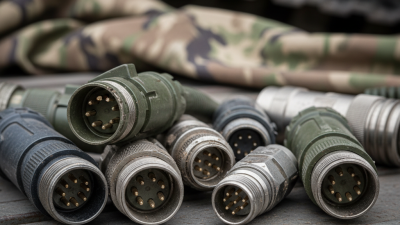
When selecting military connectors, understanding the quality standards and certifications is crucial. Military-grade connectors must endure extreme environments and heavy usage. Look for certifications such as MIL-SPEC, which ensures connectors can withstand temperature fluctuations, shock, and vibration. These standards are not just formalities; they reflect rigorous testing and reliability under challenging conditions.

Quality also comes from assessing materials used in manufacturing. Connectors made from corrosion-resistant alloys or durable polymers offer better longevity. Take note of the details, like seal integrity and contact plating. Inspecting these features can reveal a lot about the performance you can expect.

It’s vital to remember that certifications alone do not guarantee success for every application. Each connector serves different purposes, and one size does not fit all. Thorough research may highlight mismatches in your requirements. Always be prepared to reflect on whether the chosen connector truly fits your specific needs.