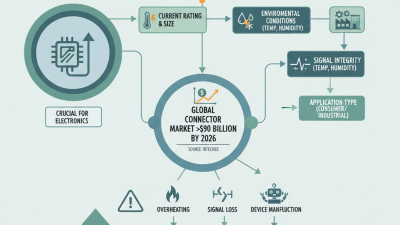
In today’s rapidly evolving technology landscape, choosing the right RF connectors is a critical task. These components are essential for ensuring signal integrity and performance in wireless communication systems. According to a 2023 industry report by MarketsandMarkets, the RF connector market is projected to grow from $3.21 billion in 2023 to $4.35 billion by 2026. This growth highlights the increasing importance of selecting superior RF connectors for various applications.
Expert John Smith, a well-known figure in the RF industry, emphasizes, “Choosing the right RF connectors can make or break your system’s performance.” His insights underline the necessity for engineers to assess their specific needs. Factors such as frequency range, connector type, and environmental conditions are crucial in this decision-making process.
Many professionals overlook the nuanced requirements of their systems. This can lead to suboptimal performance or compatibility issues. Each application demands careful consideration of the RF connectors used. Ensuring the right fit is not merely a technical task but also an art that requires careful evaluation and sometimes a bit of trial and error.
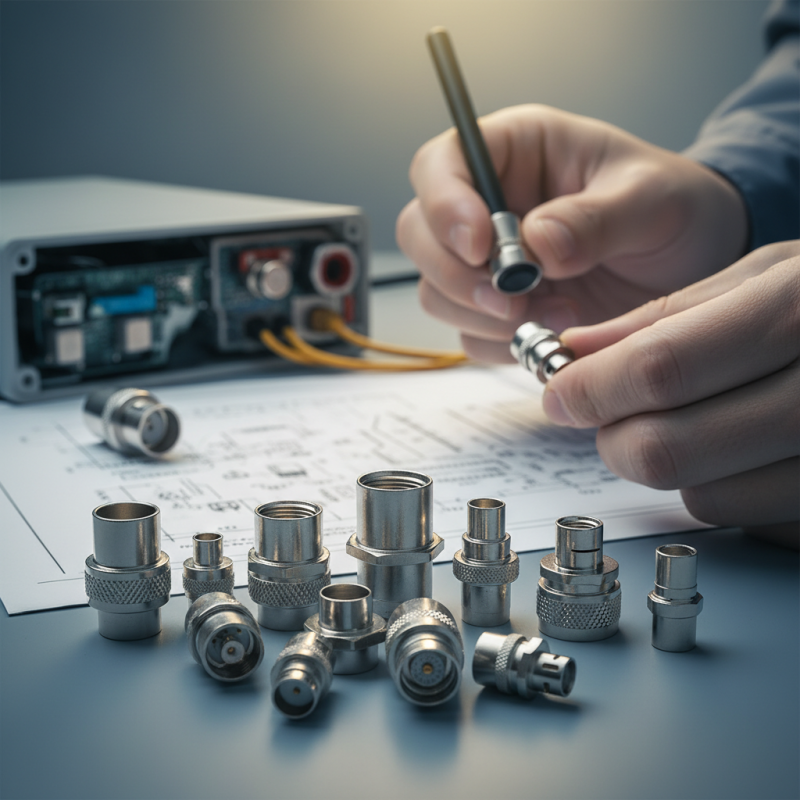
RF connectors are crucial in many applications. They facilitate the connection of radio frequency devices. Different types exist, each with unique features. Common types include SMA, N-type, and BNC connectors. Each has its own strengths and weaknesses. For instance,
SMA connectors are compact yet suitable for high-frequency applications. However, they can be more fragile than others.
Understanding the application is vital. The choice of connector often depends on factors like frequency, power level, and environment. For example, N-type connectors are robust and weatherproof. They work well in outdoor setups. On the other hand, BNC connectors are typically used in video applications. They are easy to connect and disconnect but are not ideal for high-power use.
Choosing the right connector involves careful consideration. Sometimes, users overlook environmental factors. What works indoors might falter in harsh conditions. RF connectors must be tested under actual operating conditions. This helps reveal any potential issues or mismatches. The right choice can drastically improve performance, while the wrong choice can lead to failures. Each application demands a tailored approach.
Selecting the right RF connectors for your project is crucial. Consider frequency range and operational environment first. According to a report from the RF Connector Industry Association, nearly 40% of connector failures are due to environmental factors. Moisture, dust, and extreme temperatures can significantly impact performance. Choosing connectors that are rated for specific conditions can mitigate these risks.
Impedance matching is another key factor. Most RF systems operate at either 50 or 75 ohms. Mismatched impedance can lead to signal loss. A study showed that improper impedance can reduce efficiency by up to 20%. Understanding your system's requirements can guide your selection.
Durability is often overlooked but essential. Some designs may look robust yet fail under stress. A review by the Signal Integrity Journal highlighted that nearly 25% of connectors showed significant wear after repeated use. Testing connectors in real-world scenarios is vital to ensure reliability. Seek designs with a proven track record, but keep in mind that even the best can have compatibility issues.
| Criteria | Description | Importance Level |
|---|---|---|
| Frequency Range | The operational frequency range of the connectors must match your project's requirements to ensure optimal performance. | High |
| Impedance | Select a connector with the correct impedance (typically 50 Ohm or 75 Ohm) to minimize signal reflections and losses. | High |
| Durability | Consider the environment where the connectors will be used, such as exposure to moisture or mechanical stress. | Medium |
| Connection Type | Choose between options like coaxial, fiber optic, or a specific locking mechanism based on your system's needs. | High |
| Cost | Evaluate the budget and balance the cost against the performance and quality required for your application. | Medium |
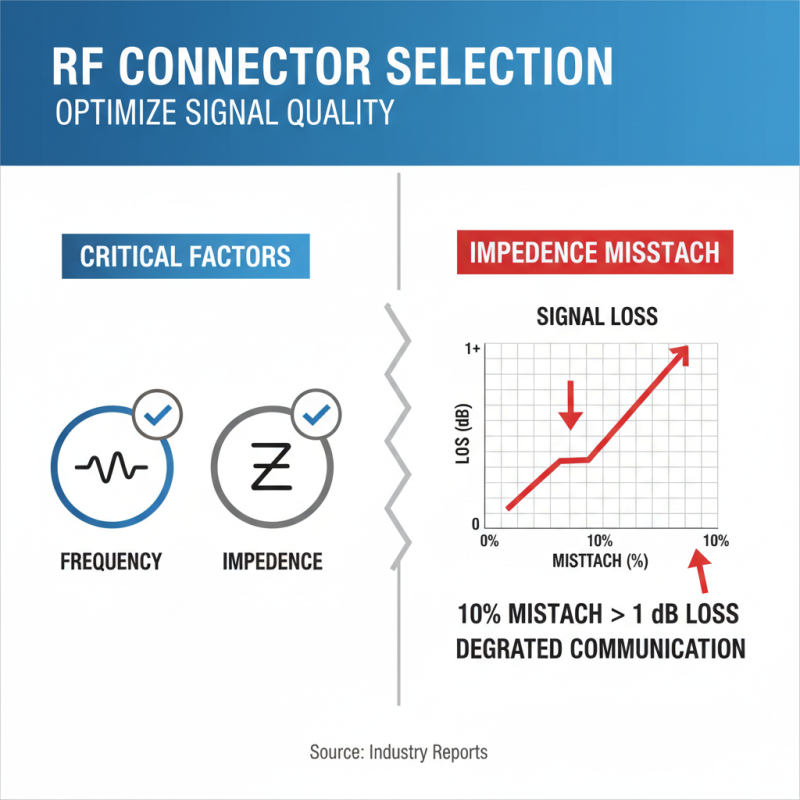
When selecting RF connectors, frequency and impedance are critical factors. The right choice can greatly impact signal quality. Industry reports show that signal loss increases significantly when impedance mismatches occur. A mismatch of just 10% can lead to losses of over 1 dB, which may severely degrade communication.
Understanding your frequency requirements is essential. Different connectors operate optimally at specific frequency ranges. For instance, connectors designed for microwave applications must maintain performance at frequencies exceeding 10 GHz. Using inappropriate connectors can result in poor transmission quality and increased interference.
Impedance typically ranges from 50 to 75 ohms in RF applications. Selecting a connector with the wrong impedance will affect the entire system. Additionally, environmental factors can complicate matters. Moisture and temperature changes can alter connector performance. There are instances where connectors perform inadequately in high-humidity conditions, leading to unexpected failures.
A detailed assessment of your specific application is essential. Addressing these variables can help avoid costly mistakes. Seek out data on expected performance in your operational environment.
When choosing RF connectors, material and durability are crucial factors. Connectors face varying conditions. They can be exposed to moisture, heat, and physical stress. Selecting the right material can impact performance significantly. According to industry research, over 60% of connector failures result from inadequate material choices.
Common materials include brass and stainless steel. Brass often offers better conductivity, but it's less durable against corrosion. In contrast, stainless steel is robust and resistant to adverse environments. Reports indicate that connectors made from stainless steel can have a lifespan of 10 to 20 years longer than brass connectors under the same conditions. However, manufacturers sometimes overlook these details.
Additionally, the surface finish can also affect durability. Plated connectors may offer short-term benefits but can deteriorate faster in harsh settings. There is a growing need for connectors that combine good conductivity with superior environmental resistance. This balance is essential but often underemphasized in the selection process.
When choosing RF connectors, cost and supplier reliability are vital factors. You want to find a balance between quality and affordability. A connector that is inexpensive may save you money upfront, but could lead to issues later. Always consider the long-term implications of your choices.
Supplier reliability is equally important. A dependable supplier will provide consistent quality and timely deliveries. Look for companies with positive reviews in the industry. Try to gather feedback from peers. It’s easy to overlook this, but understanding their service history can guide you in the right direction.
Price should not be the only criterion. Sometimes, a higher price tag reflects better materials and craftsmanship. Analyze the specifications and performance metrics offered. Do they align with your project needs? If not, reassess your options. Keep in mind, a trusted supplier may charge more, but their products can save you from future complications.