How to Choose the Right Socapex Connector for Your Needs?

In the world of audio, video, and stage lighting, the socapex connector stands as a critical component. This multi-pin connector, known for its durability and versatility, competes where reliability is a must. According to industry reports, the demand for socapex connectors is expected to grow by 6% annually through 2025. This growth correlates with advancements in live event production and multimedia installations.

Choosing the right socapex connector is not as straightforward as it seems. Various factors come into play, including cable capacity, durability, and application-specific needs. Detailed specifications from manufacturers often highlight performance nuances that could impact your project. A connector suited for one application may underperform in another. Compatibility with existing equipment is vital, yet sometimes overlooked.

To make the most informed decision, users must consider expert recommendations and peer reviews. Understanding the nuances between options can be complicated. The socapex connector’s various configurations can suit different scenarios, yet making the wrong choice could lead to costly failures. Therefore, engaging with knowledgeable professionals and leveraging reliable data is crucial in the selection process.
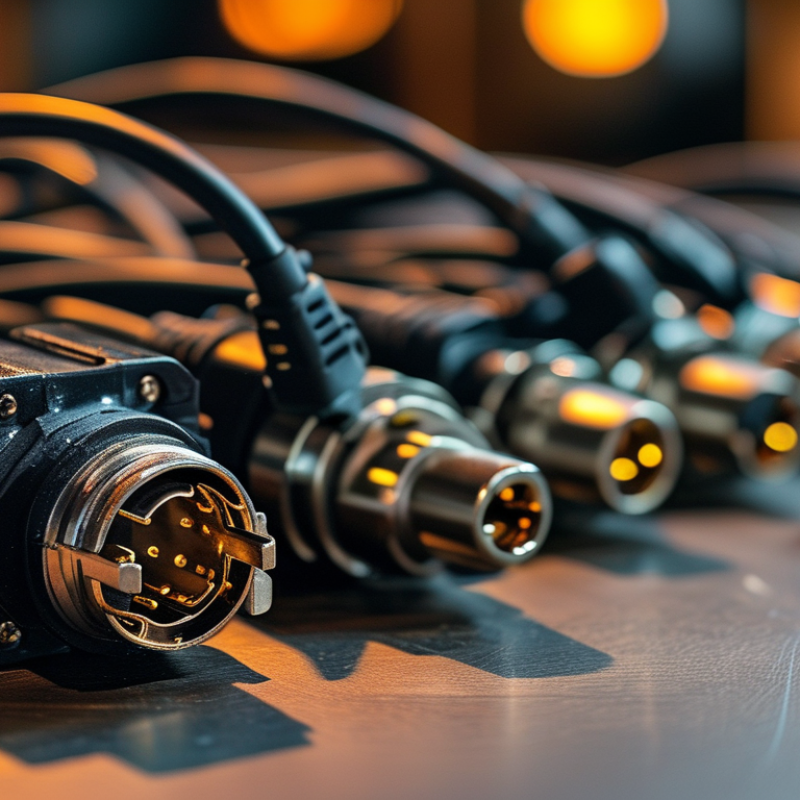
How to Choose the Right Socapex Connector for Your Needs?

Understanding Socapex Connectors: An Overview of Types and Uses

Socapex connectors play a vital role in various industries, particularly in audio and lighting applications. They are designed for high-performance use, ensuring reliable connections. These connectors come in different types, each tailored to specific needs. For instance, the standard Socapex connector typically features 19 pins, while some specialize for lower or higher pin counts, accommodating different equipment setups. A thorough understanding of these variations is essential for optimizing performance.

The choice of connector has a significant impact on operational efficiency. In a recent industry report, it was noted that errors in connector selection can lead to a 30% increase in downtime during events. This highlights the importance of selecting the right Socapex connector for cabling, especially in live sound and theatrical environments.

While many users opt for the popular models without proper assessment, this can result in compatibility issues. A deeper evaluation of the intended use case is crucial. For example, before making a purchase, consider factors such as pin configuration and environmental conditions. This acknowledgment of potential pitfalls can lead to improved functionality and reduced frustration.

Key Factors to Consider When Choosing a Socapex Connector

When choosing a Socapex connector, several key factors come into play. One of the most critical aspects is the number of pins required for your application. Different projects utilize varying pin counts, impacting connectivity and functionality. Assess your needs clearly. Misjudging pin count could lead to significant complications.

Next, consider the environmental factors. Will your connector be exposed to moisture or extreme temperatures? Selecting a weatherproof or robust type is essential for longevity. Ignoring environmental aspects may result in connectivity issues down the line.

Lastly, pay attention to cable size and flexibility. A connector that doesn’t pair well with your cables can lead to strain and breakage. It might seem trivial at first, but this can hinder performance. A mismatch could reveal itself in unexpected downtime or failures, prompting a need for hindsight and adjustments in future selections.

Assessing Cable and Pin Configuration Requirements for Your Setup

When selecting a Socapex connector, understanding cable and pin configuration is crucial. Each application has unique requirements. The right connector optimizes performance while ensuring safety and reliability. According to industry reports, approximately 75% of connection issues arise from incorrect configurations. This statistic emphasizes the importance of making informed choices regarding both cable types and pin arrangements.

Cable configurations vary widely. For example, a common Socapex setup includes 19 pins, but specialized applications may require different pin counts. Choosing the wrong configuration can lead to significant operational disruptions. Some users find that adapting standard connectors can result in compatibility issues. The challenge lies in assessing the necessary specifications for your specific needs. Detailed documentation on pin assignments and cable characteristics is essential for avoiding mistakes and ensuring seamless operation.

Pin configurations are not one-size-fits-all. Many users overlook the need for redundancy in their designs. Incorporating multiple pin layouts might seem excessive but can improve reliability. Studies show that systems with redundant connections can reduce failure rates by up to 30%. Evaluating these factors prevents potential hiccups and can enhance overall system resilience. Understanding these nuances helps you make better decisions during your connector selection process.

Evaluating Durability and Environmental Conditions for Connector Selection

When choosing a Socapex connector, evaluating durability and environmental conditions is crucial. Connectors must withstand harsh conditions in various applications, from theaters to outdoor events. According to a report by the International Electrotechnical Commission, connectors exposed to moisture and temperature fluctuations are at risk of failure. A durable connector can mean the difference between a successful event and a costly interruption.

Consider the materials used in the connector. High-grade metals and insulation materials are essential for longevity. Certain environments, like coastal areas, may require connectors that resist corrosion. Light-weight materials can also ease transportation but may compromise strength. Balancing these factors can be challenging. Each choice has its pros and cons.

When selecting connectors, keep in mind how they will be used. Regular maintenance and visual inspections can prevent many issues. Look for signs of wear, especially in high-demand setups. Remember that connectors should complement the overall system. A mismatched connector might lead to unexpected failures. Choose wisely to ensure reliability and performance.

Comparing Cost vs. Quality in Socapex Connector Choices

When considering Socapex connectors, the balance between cost and quality is crucial. Higher-quality connectors often come with a steeper price tag. However, investing in reliable connectors can save money in the long run. Cheap connectors might seem attractive, but they often lead to more maintenance and replacement costs.

In many cases, lower-priced options may lack durability. They might not withstand the rigors of frequent use. Poor performance can result in malfunction during critical moments. Therefore, a more costly connector could actually be a better choice for professionals who rely on equipment reliability.

It's essential to examine the specific needs of your projects. Do not rush the decision based on price alone. Think about the application environment and how connectors will perform under stress. Sometimes, a less expensive connector could work well for light usage, while a quality connector is necessary for demanding conditions. Balancing cost and quality requires careful consideration and a clear understanding of your requirements.

How to Choose the Right Socapex Connector for Your Needs? - Comparing Cost vs. Quality in Socapex Connector Choices
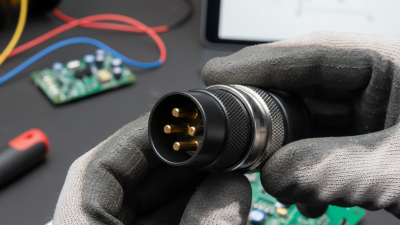
Connector Type Pin Count Cost ($) Quality Rating Recommended Usage
Socapex 19 pin 19 50 4.5/5 Theatrical Lighting
Socapex 37 pin 37 80 4.7/5 Concerts and Events
Socapex Breakout Depends on configuration 120 4.2/5 Control Systems
Socapex Heavy Duty 19 90 4.6/5 Outdoor Events
Socapex Lightweight 19 40 4.1/5 Set Design & Install