
How to Ensure Effective Welding Protection for Your Safety?

Welding Protection is crucial for anyone involved in this field. Safety must always be a priority. According to welding protection expert David Thompson, "Proper protective gear can make the difference between life and death." This statement emphasizes the need for effective protection while working with welding equipment.

When welding, exposure to sparks and harmful fumes is common. The right protective gear, such as helmets, gloves, and clothing, helps mitigate these risks. It’s not just about having equipment; it’s about ensuring it fits correctly and is of high quality. Many welders overlook this aspect. They may choose comfort over safety, leading to potential injuries.

Welding protection also extends beyond physical gear. Awareness of one’s environment plays a vital role. Ignoring hazards can lead to accidents. Each welder must reflect on their practices. Are they adequately protected? Are they using the right tools? The right attitude towards safety is essential for a long career in welding.
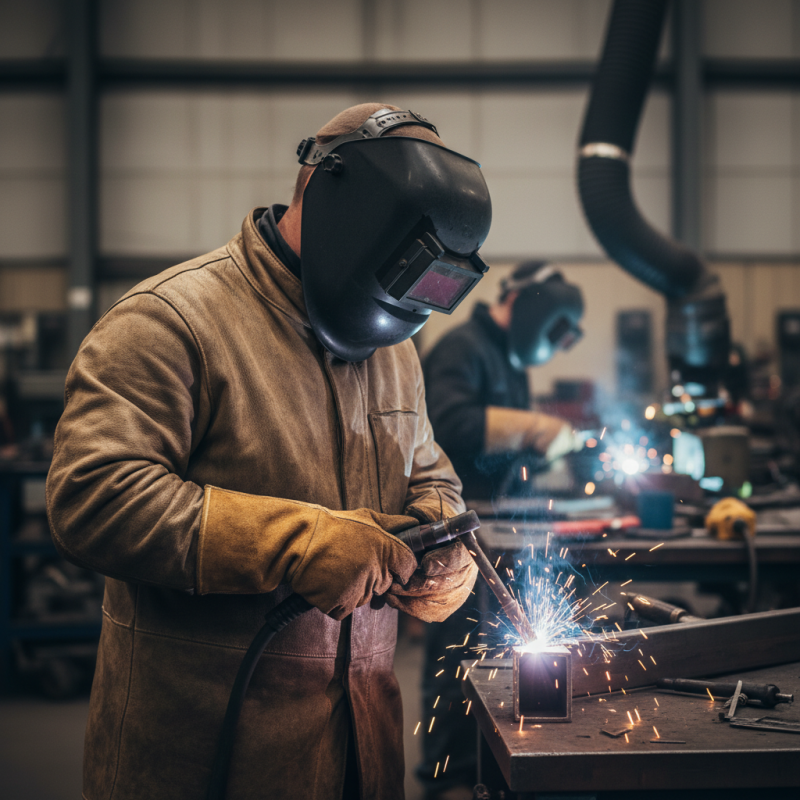
How to Ensure Effective Welding Protection for Your Safety?

Understanding the Importance of Personal Protective Equipment (PPE) in Welding

Welding is a vital industry that involves serious risks, making Personal Protective Equipment (PPE) crucial for safety. According to the American National Standards Institute (ANSI), over 20,000 welding-related injuries occur annually. These often involve serious burns and eye damage. Proper PPE significantly reduces these risks.

Welders must wear flame-resistant clothing, helmets, and gloves. A report from the Occupational Safety and Health Administration (OSHA) states that approximately 40% of welding injuries are due to inadequate PPE. Many workers overlook this. A simple mistake in neglecting PPE can have lasting consequences. For instance, a welder without a proper helmet can suffer from arc eye, a painful condition that could lead to blindness.

Welding exposure includes harmful UV radiation and toxic fumes. The National Institute for Occupational Safety and Health (NIOSH) emphasizes the importance of respiratory protection to combat these hazards. Sadly, many welders are unaware of the risks and don’t use respirators. Training on PPE usage is often insufficient. This gap highlights the need for more robust safety programs. Making PPE mandatory can save lives and prevent injuries.

Key Types of PPE and Their Role in Ensuring Safety During Welding

Welding is a hazardous profession. Protection is crucial. Personal Protective Equipment (PPE) plays a vital role in maintaining safety during welding processes. According to the American Welding Society, approximately 40% of welders experience injuries due to inadequate protection. Key types of PPE include helmets, gloves, and protective clothing.

Welding helmets protect the eyes and face from harmful rays and sparks. A study from the National Institute for Occupational Safety and Health reported that more than 20% of welders suffer from eye injuries. Proper gloves are essential too. They shield hands from heat and sharp materials. Unfortunately, many welders overlook the importance of selecting the right gloves. This oversight can lead to severe burns or cuts.

Protective clothing is often neglected, yet it is vital. Flame-resistant garments can prevent serious injuries. However, many workers wear standard clothes, which adds risk. Statistics indicate that up to 30% of injuries in welding relate directly to inadequate protective clothing. The statistics tell a clear story: selecting and using proper PPE can dramatically reduce risks in welding. Balancing cost and safety is often challenging, but neglecting this critical aspect can lead to severe consequences.

How to Ensure Effective Welding Protection for Your Safety? - Key Types of PPE and Their Role in Ensuring Safety During Welding

Type of PPE Description Importance
Welding Helmet Protects eyes and face from sparks, UV radiation, and intense light. Essential for preventing serious eye injuries and skin burns.
Welding Gloves Heat-resistant gloves that protect hands from heat and sharp metal. Crucial for hand safety and dexterity during welding tasks.
Protective Clothing Fire-resistant jackets, pants, and aprons that shield the body. Prevents burns and injuries from sparks and molten metal.
Respiratory Protection Face masks or respirators that filter harmful fumes and particles. Important for preventing respiratory issues from hazardous welding fumes.
Safety Boots Steel-toed boots that protect feet from heavy objects and sparks. Vital for preventing foot injuries in a high-risk environment.

Analyzing Common Welding Hazards and Associated Injury Statistics

Welding can be a dangerous profession. Understanding common hazards is crucial for safety. According to the American Welding Society, over 500,000 workers suffer injuries annually due to welding. These injuries can range from minor burns to serious respiratory issues.

Exposure to welding fumes is one of the most prevalent hazards. Research indicates that prolonged exposure can lead to lung disease. An alarming statistic shows that about 20% of welders report respiratory problems. Protective equipment, like respirators, is vital but often neglected. Many workers feel invulnerable, believing that short tasks don't require full protection. This attitude may lead to serious long-term health issues.

Additionally, burns account for a significant percentage of welding injuries. The National Institute for Occupational Safety and Health (NIOSH) states that nearly 30% of all welders experience burns. Workers frequently underestimate the need for protective clothing. It's common to see gloves and helmets improperly used or ignored altogether. These oversights not only increase injury risk but also highlight a need for better training and safety culture. Addressing these issues can make a significant difference in welding safety.

Welding Hazards and Injury Statistics

Best Practices for Maintaining and Inspecting Welding Gear for Effectiveness

Welding safety gear is crucial for protection against hazards. Regular maintenance and inspection are often overlooked. It’s essential to check for any visible damage, such as tears or burns. A small hole can lead to serious injury. Take time to visually inspect gloves, jackets, and helmets before every use.

Cleaning your gear should be routine. Dust, grime, and spatter can degrade materials over time. Use appropriate cleaning methods to maintain effectiveness. Be mindful of wear and tear. Sometimes, we ignore minor issues thinking they aren’t significant. This can lead to major risks during welding tasks.

Don't forget to replace any damaged gear promptly. Holding onto equipment past its prime can compromise safety. Regularly review your gear's lifespan. Educate your team on inspection practices. Sometimes, crew members may skip checks, thinking it’s unnecessary. Foster a culture of safety by encouraging thorough gear inspections.

Regulatory Standards and Compliance for Welding Safety Procedures

Welding safety is paramount. Adherence to regulatory standards is crucial. These standards dictate how welding processes should be conducted safely. Compliance can help prevent accidents and injuries on the job. Many welding professionals overlook these regulations. They may feel confident in their skills but risk exposure to hazardous situations.

The Occupational Safety and Health Administration (OSHA) provides guidelines for welding safety. These include protective equipment, ventilation, and fire safety measures. Following these guidelines is not merely a suggestion; it is a necessity. Without proper gear, welders expose themselves to harmful fumes and intense light. Some may skip wearing masks or gloves, believing they can handle it. This attitude can lead to long-term health effects.

Training and awareness are essential. Workers must know the risks associated with welding. Regular safety drills and updates on best practices keep everyone informed. Reflecting on past incidents can reveal gaps in safety procedures. Discussing these failures openly can foster a culture of safety. Building a safer workplace requires continuous effort and commitment from everyone involved.