Why High Voltage Connectors Are Essential for Modern Electrical Systems?

High voltage connectors play a critical role in modern electrical systems. They ensure safe and efficient energy transmission, especially in applications like renewable energy and electric vehicles. According to Dr. Alan Green, a leading expert in connector technology, “High voltage connectors are the backbone of reliable energy systems.” His observation emphasizes the importance of quality and safety in electrical connections.

As technology advances, the demand for high voltage connectors increases. These connectors must withstand extreme conditions. They are designed to handle high currents and voltages seamlessly. However, not all connectors meet stringent safety standards. This discrepancy can lead to failures or hazards in the system.

The industry faces challenges, such as improving materials and designs. While various options exist, many still falter under high stress. Reflecting on these issues reveals a need for ongoing innovation. High voltage connectors must evolve to meet future energy demands. As we move towards a more electrified world, ensuring their reliability is paramount.
Why High Voltage Connectors Are Essential for Modern Electrical Systems?

Understanding High Voltage Connectors in Electrical Systems

High voltage connectors play a crucial role in modern electrical systems. These devices are designed to safely transmit high levels of electrical energy. They ensure efficient power distribution and connect various components within energy systems. Without them, the risk of failure increases considerably.

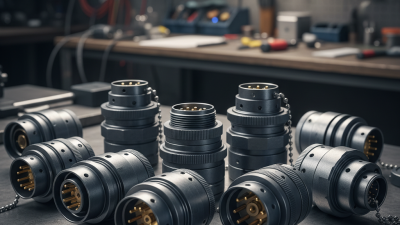
Understanding high voltage connectors helps grasp their significance. They are built to withstand intense electrical forces. Their design often includes insulators to prevent arcing. Many connectors are bulky, yet compact options exist. These varied designs cater to different applications, like renewable energy and electric vehicles.

However, even with advanced technology, challenges remain. Installers may struggle with ensuring proper installation. Maintenance can also be complicated due to accessibility issues. Sometimes, connectors may wear out faster than expected. A critical look at these factors can lead to improvements in design and usage. Balancing safety and efficiency is vital for the future of electrical systems.

Why High Voltage Connectors Are Essential for Modern Electrical Systems?

Connector Type Voltage Rating (kV) Current Rating (A) Applications Key Features
Submersible Connector 15 50 Renewable Energy Systems Waterproof, High Isolation
Cable Connector 25 100 Power Distribution High Durability, Reliable Performance
Insulation Connector 10 30 Industrial Equipment Excellent Insulation, Thermal Resistance
High Voltage Plug 35 200 Electric Vehicles Lightweight, Fast Charging
Multi-Pin Connector 5 15 Telecommunications Compact Design, Versatile Use

The Role of High Voltage Connectors in Power Distribution

Why High Voltage Connectors Are Essential for Modern Electrical Systems?

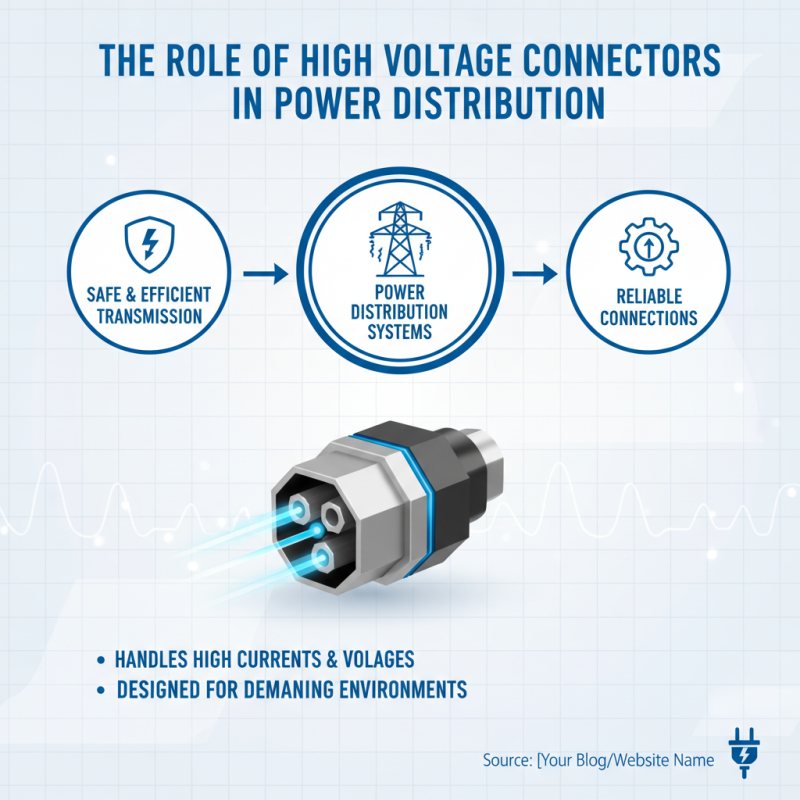
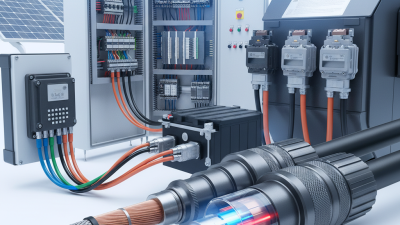
High voltage connectors play a critical role in power distribution. They enable safe and efficient transmission of electricity across various systems. These connectors are designed to handle high currents and voltages, ensuring reliable connections in demanding environments.

In modern electrical infrastructures, these connectors manage critical loads. By providing robust connections, they minimize energy losses. However, the complexity of installation can often lead to errors. Poor connections can cause overheating or equipment failures. This highlights the need for skilled professionals during installation.

Maintenance of high voltage connectors is essential. Regular inspections can prevent potential failures and extend lifespan. Ignoring these connectors can result in costly breakdowns. The importance of education and awareness in this area cannot be overstated. Even minor oversights can have significant impacts. Attention to detail is paramount for operational safety.

Key Advantages of Using High Voltage Connectors

High voltage connectors are critical for modern electrical systems. Their ability to handle high currents and voltages sets them apart. This makes them essential for various applications, including renewable energy, electric vehicles, and industrial equipment.

One of the key advantages of high voltage connectors is durability. These connectors are designed to withstand harsh environments. They resist extreme temperatures and moisture. However, improper installation can still lead to failures. Regular inspections are necessary to ensure optimal performance.

Tip: Always check for signs of wear and tear. This can prevent unexpected downtime and costly repairs.

Another advantage is safety. High voltage connectors minimize the risk of electrical faults. Their robust design reduces arcing and overheating. This contributes to safer operation in critical applications. Yet, not all connectors are created equal. It’s important to choose the right connector for specific needs.

Tip: Invest in training for your team. Proper handling can significantly extend the life of your connectors.

In many cases, high voltage connectors also support faster charging capabilities. This is crucial for electric vehicles, where time is money. Still, users need to follow manufacturer guidelines for connections. Skipping this step can lead to decreased efficiency.

Applications of High Voltage Connectors in Modern Technology

Why High Voltage Connectors Are Essential for Modern Electrical Systems?

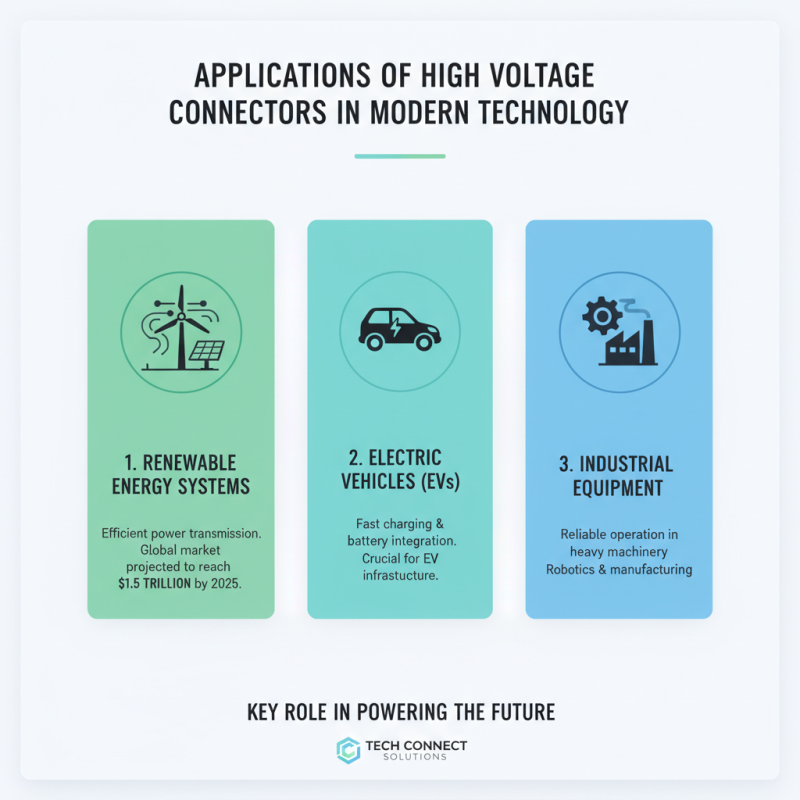
High voltage connectors play a crucial role in various sectors of modern technology. They are essential for renewable energy systems, electric vehicles, and industrial equipment. In the renewable energy sector, high voltage connectors help transmit power efficiently. According to a recent report, the global renewable energy market is expected to reach $1.5 trillion by 2025. High voltage connectors enable the smooth integration of these energy sources.

In electric vehicles, these connectors facilitate fast charging and efficient power management. They are designed to handle high current loads, providing a reliable connection. Data shows that the electric vehicle market propelled by these connectors could see a growth rate of over 22% annually through 2030. However, the technology behind these connectors must continually evolve. As demand rises, manufacturers must address challenges like heat management and electrical reliability.

In industrial applications, high voltage connectors enable automation systems and machinery to perform reliably. They are critical in various sectors, but improper installation can lead to failures. Manufacturers must focus on quality control and rigorous testing. As industries push for higher efficiency, the requirements for high voltage connectors will likely increase. The future holds both promise and challenges in this essential technology.

Safety Considerations for High Voltage Connector Usage

High voltage connectors play a crucial role in modern electrical systems. However, their usage comes with significant safety considerations. Proper handling and installation are vital. Each connection must be well-insulated to prevent accidental contact. This minimizes the risk of electric shock. Moreover, the connectors should be free from physical damage. Even minor abrasions can lead to catastrophic failures.

In environments where high voltages are present, maintenance is key. Regular inspections help identify wear or potential hazards. Users should always wear appropriate PPE when working around these connectors. An understanding of the electrical ratings is essential. Overloading a connector can result in overheating and fire hazards. Many may underestimate the importance of education and training. A lack of knowledge can lead to serious mistakes.

There is also the factor of environmental conditions. Exposure to moisture can corrode connections. Therefore, selecting the right materials is crucial. It is critical to evaluate the installation location thoroughly. Some areas may require additional protective measures. All these factors contribute to safe operations. High voltage systems demand respect and attention. Without proper care, the consequences could be dire.

Importance of High Voltage Connectors in Modern Electrical Systems

This bar chart illustrates the key factors influencing the importance of high voltage connectors in modern electrical systems, rated on a scale from 1 to 10. Safety is rated the highest due to its critical role in preventing hazards, followed by efficiency, durability, application versatility, and cost considerations.