
What is a Miniature Circuit Breaker and How Does It Work?

A Miniature Circuit Breaker, often abbreviated as MCB, is an essential component in electrical systems. It automatically cuts off electricity flow when there's an overload or short circuit. This safety feature helps prevent fires and equipment damage.

Understanding the workings of a Miniature Circuit Breaker is crucial for both electricians and homeowners. When it detects a fault, the MCB interrupts the circuit, stopping the current almost instantly. This quick response is vital in protecting devices and wiring from excessive current.

However, not all MCBs function perfectly in every scenario. They may trip under normal conditions due to sensitivity or calibration issues. Choosing the right MCB for your system requires careful consideration. It's important to reflect on your electrical needs and the specific characteristics of the MCBs available. Attention to detail is key in ensuring optimal performance and safety.
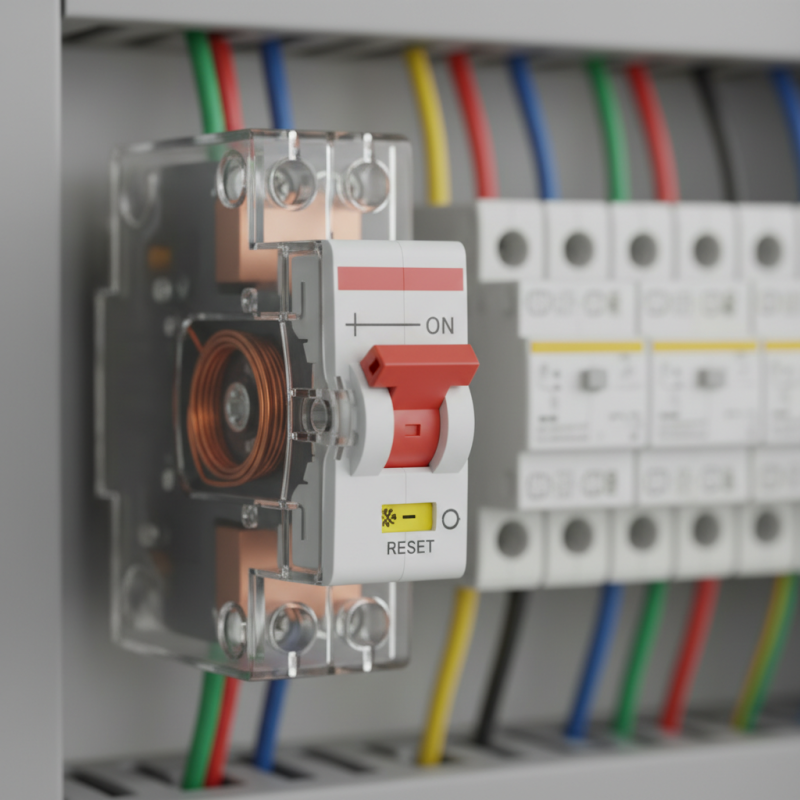
What is a Miniature Circuit Breaker and How Does It Work?

What is a Miniature Circuit Breaker?

A Miniature Circuit Breaker (MCB) is a safety device. It protects electrical circuits from overload or short circuit. Unlike traditional fuses, MCBs can be reset. They are widely used in homes and industries. An MCB's design is compact, fitting easily into electrical panels. This makes them efficient and convenient for space-saving.

When excess current flows through the circuit, the MCB automatically trips. This interrupts the power supply, preventing damage. Each unit has a specific current rating. If the rating is exceeded, the device acts quickly. You may notice that it can trip unexpectedly. This is a sign to check your circuit load. Over time, MCBs can wear down. Regular testing is essential.

Safety is key in any electrical setup. An MCB provides peace of mind, but mistakes can happen. Ensure that the connections are secure. If you notice issues, consider seeking help. A faulty MCB can lead to bigger problems. Awareness of its function is critical. Take time to understand how it works.

Miniature Circuit Breaker (MCB) Performance Comparison

This bar chart illustrates the performance of different types of Miniature Circuit Breakers (MCBs) based on their tripping current ratings. Each type is designed for different applications and has unique characteristics in terms of current handling capability.

Key Components of a Miniature Circuit Breaker

Miniature Circuit Breakers (MCBs) are essential in modern electrical systems. They protect circuits from overload and short circuits. An MCB consists of several key components that enable its operation.

The switch mechanism is one of the main parts. It allows users to manually turn the circuit on or off. However, if the electrical load exceeds a safe level, this switch trips automatically. The bimetallic strip is another critical element. It responds to heat generated by excess current. When this strip bends, it activates the mechanical tripping mechanism.

Additionally, the electromagnetic coil provides rapid response. It reacts quickly during short circuits. This ensures immediate disconnection and prevents damage. Finally, the enclosure protects the internal components. It must withstand various environmental factors. Yet, the design can sometimes be flawed, leading to failures. Regular testing is necessary to maintain effectiveness. Understanding MCBs involves looking closely at these components. Each plays a role in keeping electrical systems safe.

How Miniature Circuit Breakers Function in Electrical Systems

Miniature Circuit Breakers (MCBs) are vital components in modern electrical systems. They protect circuits from overloads and short circuits. When a fault occurs, MCBs automatically disconnect the flow of electricity. This prevents damage to wires and appliances. They can also prevent electrical fires, which are a serious risk.

The functioning of MCBs is quite straightforward. Inside the device, there are two mechanisms: magnetic and thermal. The thermal mechanism reacts to heat caused by excessive current. The magnetic mechanism triggers during a short circuit. Both mechanisms work together to ensure safety. However, the MCB might trip even in normal conditions if the load is too high. This can be frustrating for users.

It's important to select the right MCB for your needs. Various types exist, each serving different applications. The challenge often lies in managing various loads efficiently without frequent trips. Over time, users may notice patterns in tripping. It can be a learning experience to understand your electrical demands better. Adjustments in usage can lead to improved reliability in your system.

What is a Miniature Circuit Breaker and How Does It Work?

Feature Description
Type Electromechanical device
Primary Function Overcurrent protection
Common Ratings 6A, 10A, 16A, 20A, 25A, 32A, 40A
Operation Mechanism Thermal and magnetic trip mechanisms
Installation Location Distribution board or consumer unit
Advantages Reliable, reusable, compact, faster reset capability
Disadvantages Potential for nuisance tripping, limited to short circuits and overloads
Maintenance Periodic testing recommended

Common Applications of Miniature Circuit Breakers

Miniature circuit breakers (MCBs) play a crucial role in many electrical systems. They protect circuits from overloads and short circuits. One of their primary applications is in residential buildings. Homeowners use MCBs to safeguard household appliances. For instance, fridges and washing machines are often connected to these breakers. This connection helps prevent damage during electrical faults.

Another common application is in commercial settings. Offices utilize MCBs to protect lighting and machinery. This is vital for maintaining operational safety. Often, these breakers can be found in server rooms, safeguarding IT equipment. A small failure can lead to big issues. Thus, using MCBs here isn't just beneficial, it's essential.

In industrial environments, MCBs serve to manage larger equipment. Machines can draw significant current. An overload in such contexts can cause fires. It creates a serious hazard. As useful as MCBs are, they are not infallible. Regular testing and maintenance are needed to ensure reliability. This need for oversight can sometimes be overlooked.

Benefits of Using Miniature Circuit Breakers in Electrical Protection

Miniature circuit breakers (MCBs) are essential for electrical protection. They automatically disconnect circuits during overloads or short circuits. This prevents electrical fires and protects appliances. MCBs are compact and easy to install, making them suitable for various applications.

The benefits of using MCBs are significant. They provide rapid disconnecting capabilities, often within milliseconds. This swift action minimizes damage to electrical devices. MCBs are also reusable; once the fault is resolved, they can be reset. This feature saves time and maintenance costs.

Tips: When selecting MCBs, ensure they match the circuit's current rating. It's crucial to assess the potential load before installation. Regularly check MCBs for proper functioning, too. Even minor wear can lead to failures. Remember, prevention is better than costly repairs.