10 Tips for Choosing Amphenol Connectors Distributors
Choosing among amphenol connectors distributors can feel simple until a project faces heat, vibration, moisture, or urgent replacement needs. A catalog may show similar part numbers, yet small differences can affect fit, certification, lead time, and long-term reliability. The right distributor should do more than process an order. It should help verify the connector, terminal, plating, tooling, and application requirements before money is committed.
R. Adam Norwitt, former Amphenol president and chief executive officer, described the company’s purpose as solving “our customers’ most demanding connectivity challenges.” That idea matters when evaluating distributors. A dependable supplier should understand those challenges, not merely repeat product descriptions. Ask whether its team can explain genuine Amphenol sourcing, traceability, current stock, date codes, and technical support. Request clear documentation. Check the warehouse process. Look closely at packaging, because crushed trays or exposed contacts can create problems before assembly even begins.
The ten tips in this guide examine practical signals of distributor quality. They cover authorization, product authenticity, engineering assistance, inventory depth, delivery performance, pricing transparency, and after-sales support. They also consider communication when specifications change unexpectedly. That part is often overlooked. A low quotation can become expensive after delays, substitutions, or rejected components appear. Still, no checklist is perfect. Supplier performance may vary by region, product family, and order size. I have found that a short technical conversation can reveal more than a polished website. Treat every claim as something to verify, especially when the connector will sit inside medical, industrial, automotive, or aerospace equipment. Reliable decisions require evidence, patience, and a willingness to question convenient answers.
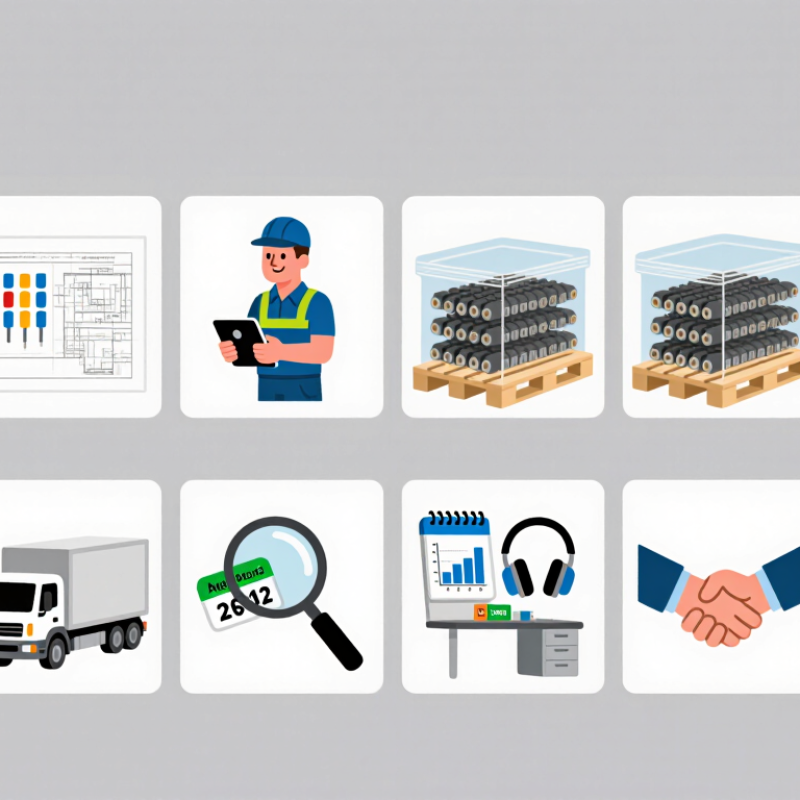
Understand Your Amphenol Connector Requirements
Understand Your Connector Requirements
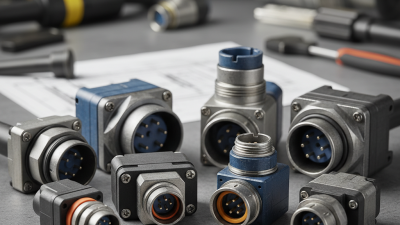
Choosing a connector distributor starts with understanding the application, not browsing a product list. Define the required contact count, signal type, voltage, current, and operating temperature. Record vibration, moisture, dust, and chemical exposure. A connector used inside a control cabinet faces different risks from one mounted on outdoor machinery.
Small details matter. Measure the available panel space and cable bend radius. Confirm whether you need crimp, solder, or screw termination. Check mating cycles and locking methods. Do not rely on a familiar part number alone. A minor keying difference can stop assembly or create an unsafe connection. It happens.
An experienced distributor should review your drawings and ask practical questions. Request material data, dimensional drawings, test reports, and traceability documents. Verify that supplied parts match the approved specification and packaging requirements. For critical equipment, discuss inspection records and replacement continuity before placing an order. I have seen teams compare only unit prices, then lose time correcting incompatible tooling. That decision looked efficient at first.
Ask how the distributor handles engineering changes, shortages, and technical support. Clear answers reveal operational reliability. Keep a written requirements sheet and let the distributor confirm each item. If your specification is incomplete, admit it early. A careful review may expose an overlooked temperature limit or insufficient sealing grade. That reflection can prevent expensive redesigns later.
Verify Distributor Authorization and Product Authenticity
Choosing a connector distributor requires more than checking stock and price. Confirm the distributor’s current authorization directly with the manufacturer’s official channel. Request a dated authorization letter, territory coverage, and approved product categories. A polished website proves very little.
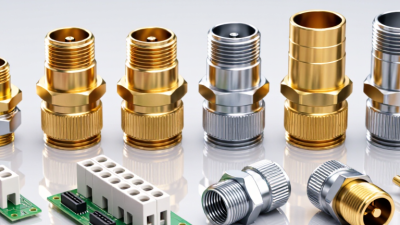
Tip: Verify the chain of custody. Ask for purchase invoices, factory lot codes, certificates of conformity, and traceability records. Compare labels, packaging, plating, and contact geometry with approved samples. Inconsistent fonts or unusually clean relabeling deserve attention. A genuine part should survive documentation checks.
The OECD and EUIPO reported that counterfeit and pirated goods represented up to 2.5% of global trade, worth approximately 464 billion US dollars, in 2019 data published in 2021. Electronics remain exposed to substitution risks. ERAI incident reports also show recurring concerns involving altered markings, recycled components, and questionable documentation. These reports are not a reason to reject every independent distributor. They are a reason to test evidence.
Tip: Include incoming inspection in the purchase agreement. Use qualified laboratories for material analysis, dimensional checks, and electrical testing when risk is high. Confirm the distributor’s return process before shipment. Ask who pays when inspection fails. An honest answer matters.
Do not rely on price alone. Deep discounts can reflect excess inventory, but they can also hide weak traceability. I have seen procurement teams accept vague certificates because delivery pressure felt urgent. That choice often creates greater cost later. Authorization should be verified before the purchase order, not after a failure.
Compare Technical Support, Pricing, and Service Quality
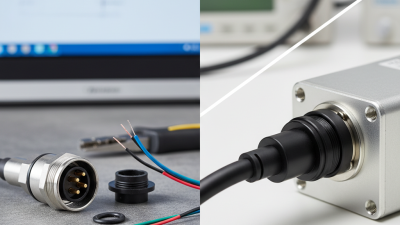
Choosing a connector distributor requires more than comparing the lowest quotation. Technical support often reveals the real difference. Ask whether their engineers can review drawings, explain contact ratings, and recommend suitable crimping tools. Request current datasheets, compliance documents, and sample parts before approving production. A useful distributor should answer specific questions, not send vague product links.
Pricing needs careful examination. Compare unit prices, minimum order quantities, tooling charges, shipping costs, and payment terms in one spreadsheet. A cheaper connector may become expensive after expedited freight or unexpected packaging fees. Check stock records and average lead times, not only advertised availability. Ask how they handle shortages. Written answers are safer than promises made during a quick call.
Service quality appears during small problems. Test response speed by sending a technical question and measuring the reply time. Look for clear return procedures, lot traceability, and replacement policies for damaged parts. In my experience, a distributor that documents each batch creates fewer production headaches. However, fast replies do not always mean accurate advice. I once accepted a confident recommendation without checking the mating force, and the assembly later needed rework. That mistake changed my evaluation process. I now request application evidence, confirm critical dimensions, and involve our quality team before placing a larger order. Good support is practical, transparent, and willing to admit uncertainty.
Review Compliance, Warranty, and Long-Term Reliability
10 Tips for Choosing Amphenol Connectors Distributors
Review Compliance, Warranty, and Long-Term Reliability
Choosing a connector distributor requires more than comparing prices. Ask for current compliance documents, product specifications, and traceable lot information. Verify that certificates match the exact part number and manufacturing date. A dependable distributor should explain sourcing clearly. Vague answers deserve caution. Check storage conditions, packaging quality, and handling procedures. Moisture, dust, and bent contacts can cause failures long after delivery.
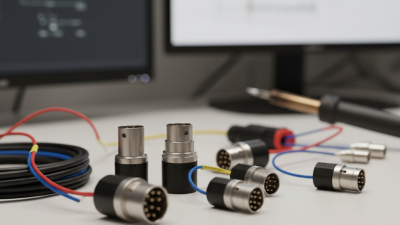
Review the warranty in writing. Confirm its coverage period, inspection process, replacement terms, and return responsibilities. Ask how the distributor handles defective or mismatched parts. A strong supplier keeps inspection records and supports sample testing before large purchases. Request continuity, insulation, and dimensional checks when the application is safety-sensitive. Do not rely only on a polished website. Speak with a technical representative who understands mating cycles, temperature limits, and vibration exposure.
Long-term reliability depends on consistent supply, not one successful shipment. Examine delivery history, inventory controls, and change-notification practices. Ask whether older stock is separated from newer lots. This matters. I once accepted complete paperwork without checking package seals closely; several contacts later showed surface damage. The mistake was preventable. Distributors should welcome audits, answer questions promptly, and provide practical evidence instead of promises. Still, no supplier is perfect, so document assumptions and review them before approving every order.
10 Tips for Choosing Connector Distributors
Suggested procurement weighting for reviewing compliance, warranty coverage, documentation, supply continuity, and long-term reliability. The percentages represent a practical evaluation framework rather than a market survey.
Compliance and documented quality controls receive the highest weighting because applicable requirements such as RoHS, REACH, UL, IEC, and ISO-related records should be verified before purchase. Warranty, traceability, inventory continuity, and technical support help reduce long-term supply and performance risks.