
When considering the purchase of an Electric Water Heater, making informed decisions is crucial. Industry expert Mark Thompson, a certified energy efficiency consultant, emphasizes, "The right water heater can significantly lower energy bills." Understanding how to choose an efficient model is essential for both comfort and cost-effectiveness.
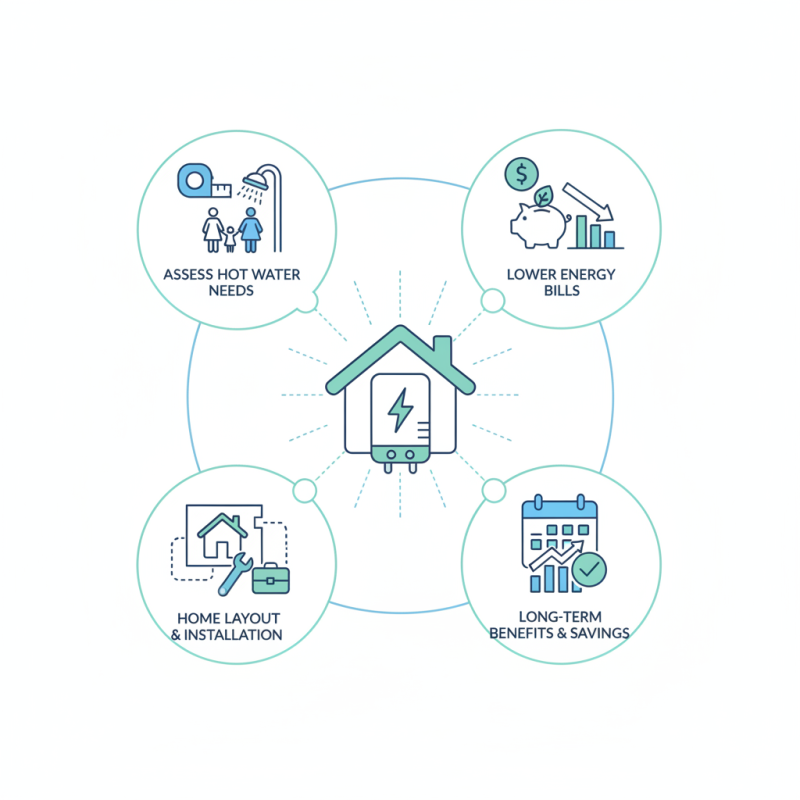
Electric Water Heaters come in various sizes and capacities. It is vital to assess your household's hot water needs accurately. Many buyers underestimate their usage, leading to inefficient choices that waste energy and money. The layout of your home and installation costs also impact your overall investment. Keeping these details in mind will help you avoid common pitfalls.
Reflecting on the long-term benefits is essential. An Electric Water Heater may have a higher upfront cost, but it can offer savings on energy bills and maintenance. A wise selection can lead to greater satisfaction over time. Ultimately, a thorough understanding of your options can make all the difference.
Choosing the right electric water heater involves understanding the various types available. Among the most common are tank, tankless, and hybrid models. Each type has distinct features that cater to different needs. For example, tank water heaters store hot water, offering a steady supply. However, they can consume more energy and space.
Tankless water heaters are gaining popularity. They heat water on demand, making them energy-efficient. According to the U.S. Department of Energy, they can be 24%–34% more efficient than traditional models. This is appealing for those looking to reduce utility bills. But, if not sized correctly, they may struggle to meet high demand.
Hybrid water heaters combine elements of both. They use heat pump technology, which can be much more efficient. A 2022 report from the Energy Efficiency Guide highlights that these units can cut energy costs by up to 60%. Yet, the initial investment can be higher, leading consumers to weigh short-term costs against long-term savings. Understanding the unique attributes of each type helps in making informed purchase decisions.
When selecting an electric water heater, energy efficiency ratings play a crucial role. Energy Star ratings indicate units that meet strict energy efficiency criteria set by the U.S. Environmental Protection Agency (EPA). According to the Department of Energy, water heating can account for up to 18% of a home's energy use. Choosing efficient models can significantly lower these costs.
Look for the Energy Factor (EF) rating when evaluating models. Generally, an EF rating above 0.90 is considered efficient. Models with higher EF ratings typically provide more hot water at a lower energy cost. It's essential to conduct research. Not all advertised ratings reflect real-world performance. Real user reviews can provide insight into actual efficiency and performance.
Consider the size and capacity you need based on household consumption. The U.S. Energy Information Administration suggests an average household uses roughly 64 gallons of hot water daily. Inadequate size leads to frequent heating cycles, resulting in higher energy bills. Overestimating capacity can also mean wasted energy. Balancing your specific needs with an efficient model is key to reducing both energy consumption and utility expenses.
Choosing the right electric water heater involves understanding key features that impact efficiency and cost. Firstly, tank capacity is crucial. Most households benefit from units with a capacity of 40 to 50 gallons. However, homes with higher demand may require larger tanks. The U.S. Department of Energy states that families often overestimate their needs, leading to potential overspending.
Energy efficiency is another vital factor. Look for units with a high Energy Factor (EF) rating. A higher EF indicates better performance and lower energy costs. Reports suggest that water heaters with an EF above 0.90 can save consumers approximately 10-15% on energy bills annually. Additionally, consider the first-hour rating, which measures how much hot water the heater can deliver in an hour. This rating allows households to better match their peak usage times.
Pay attention to installation requirements. Improper installation can lead to inefficiencies. Some units might need additional electrical work, affecting overall costs. Be cautious of upfront savings that might lead to higher operational costs in the long run. Not every option may fit typical home setups. Deciding between tank and tankless units also matters. Tankless systems offer endless hot water but can be costly upfront. Each choice requires careful consideration of long-term implications.
| Feature | Description | Importance Level |
|---|---|---|
| Capacity | Determine the amount of water the heater can store, typically measured in gallons. | High |
| Energy Efficiency | Look for heaters with high energy factor ratings to save on electricity bills. | Very High |
| Heating Method | Choose between tankless, storage, or heat pump options based on your needs. | Medium |
| Warranty | Check the warranty duration to gauge the manufacturer's confidence in their product. | High |
| Installation Requirements | Understand the space and plumbing requirements for proper installation. | Medium |
| Safety Features | Look for features like temperature control and leak detection for safety. | High |
When budgeting for an electric water heater, it’s essential to consider both the initial purchase price and ongoing operating costs. According to the U.S. Department of Energy, electric water heaters account for about 18% of a home’s energy use. This means that a poor choice today could lead to substantial bills tomorrow.
In terms of initial expenses, prices can vary significantly. Entry-level models may start around $300, while more advanced systems can reach $2,000. Understanding your household size and hot water needs is critical. A larger family may require a unit with a higher capacity, impacting both purchase cost and energy consumption.
Tip: Consider going for energy-efficient models. These might have a higher initial cost, but their long-term savings can often offset the investment. Look for heaters that are ENERGY STAR certified, as they typically use at least 10% less energy than non-certified models.
Additionally, regular maintenance can significantly affect operating costs. A neglected water heater may waste energy and raise bills. Flushing the tank annually can help maintain efficiency. Remember, every small step in upkeep adds up. Make informed choices to strike a balance between what you spend upfront and what you’ll pay in the long run.
When considering an electric water heater, installation and maintenance are crucial for optimal performance. Choose a location that is easily accessible, making maintenance more manageable. Make sure the area is well-ventilated to prevent overheating. Sometimes, people overlook these details, leading to issues later on.
Regular maintenance is essential for efficiency. Check the thermostat settings to ensure they are accurate. A simple adjustment can save energy. Inspect the heating elements for signs of wear. These parts can corrode over time, impacting performance. You might forget to do this, resulting in higher energy bills.
Flushing the tank periodically removes sediment build-up. This practice supports better heat transfer. Many homeowners neglect this task, leading to reduced lifespan. Consider checking the anode rod every few years. If it has deteriorated, replacing it can prevent damage to the tank. Engage in these maintenance tasks to ensure efficiency. They may seem time-consuming, but they are vital for the longevity of your water heater.