Top Amphenol Surlok Connector Types for Global Buyers?

Global buyers need more than a familiar brand name when selecting an amphenol surlok connector. They must match voltage, current, cable size, sealing needs, and installation space. A connector that fits one battery cabinet may fail another project’s thermal or mechanical requirements. Small differences matter.

This guide introduces the top Amphenol SurLok connector types used in battery storage, electric vehicles, power conversion equipment, and industrial systems. It examines inline, panel-mount, right-angle, and busbar-oriented configurations. It also considers contact sizes, touch-safe designs, locking methods, and cable routing. These details become practical during installation. A tight cabinet may favor a right-angle body. A serviceable battery rack may benefit from a quick-lock design.

Real purchasing decisions also involve documentation and supply reliability. Buyers should review current datasheets, approved operating ranges, contact plating, IP ratings, and applicable test standards. Regional stock can vary. So can authorized distribution support. Verification matters.

No single SurLok type is best for every application. That assumption is easy to make. It is also risky. Engineering teams should compare samples, inspect mating force, and confirm cable preparation requirements before approving a large order. Field experience often reveals issues that product tables overlook, such as limited tool access or unexpected bend radius. This article provides a practical comparison for international buyers while recognizing one limitation: product names and specifications may change. Always confirm the latest manufacturer information before purchasing.
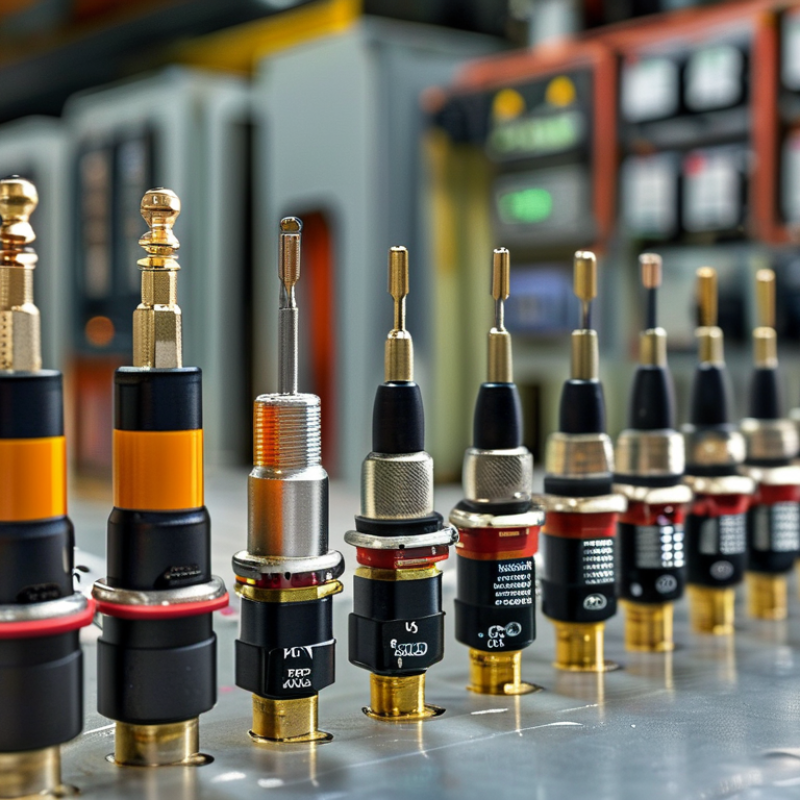
Top Amphenol Surlok Connector Types for Global Buyers?

SurLok Connector Basics: 150–600 A Ratings and 1,000 VDC Systems

High-current connectors rated from 150 to 600 A support demanding battery, energy storage, and industrial power systems. Their 1,000 VDC capability suits modern architectures with compact power distribution. Common configurations include straight, right-angle, panel-mount, and bulkhead designs. Each option affects cable routing, service access, and enclosure space. A catalog rating is not the whole truth. Heat, airflow, cable size, and continuous load can reduce real-world capacity.

Tips: Check current at the highest expected ambient temperature. Confirm whether the rating is continuous or temporary. Inspect contact materials, locking force, and touch-safe protection. Use suitable precharge arrangements where capacitive loads are present. Small details matter.

In field applications, a 600 A connector may need careful derating inside a sealed cabinet. Long cables can also create voltage drop and extra heat. The 1,000 VDC rating demands consistent insulation distances and clean mating surfaces. Dust, moisture, and repeated vibration can weaken an otherwise strong connection. I have found installation errors more common than connector failures. That observation deserves regular review. Select the connector type after checking current, voltage, cable bend radius, service frequency, and available protection.

High-Voltage DC Connector Rating Classes

Reference current ratings across a 150–600 A range for 1,000 VDC systems. The power values are calculated using the formula: DC power = voltage × current.

SurLok Plus Types: Straight, Right-Angle, and Panel-Mount Designs

High-voltage DC connector selection often starts with three housing layouts: straight, right-angle, and panel-mount. Each design responds to a different installation condition.

Straight connectors

suit battery packs, test equipment, and open cable routes. Their direct exit simplifies inspection and assembly. However, they need enough space for the cable’s bend radius.

This detail is easy to overlook. Measure the actual cable diameter, not only the connector body.

A tight bend can increase stress near the crimp and reduce service life.

Right-angle connectors

help reduce cabinet depth and guide cables along sidewalls. They work well near busbars, cooling plates, and compact power modules.

Check nearby hardware carefully. A 90-degree body may fit electrically but interfere with a cover or locking lever.

Panel-mount designs

provide a fixed interface through an enclosure wall. They are useful for battery cabinets, charging systems, and power distribution boxes.

Inspect the flange, gasket, mounting torque, and rear service clearance.

Sealing performance depends on installation quality, not the shell alone.

For global purchasing

compare current ratings, voltage ratings, cable compatibility, mating cycles, touch protection, and regional certification needs.

Request samples before approving volume orders. Paper dimensions can hide routing problems. Small trials reveal large errors.

Temperature, vibration, and repeated mating should be checked in realistic conditions.

In practice, the cheapest option is not always the lowest-cost choice.

Contact Technology: Touch-Proof Interfaces and 360° Shielding Options

For global buyers, high-voltage connector selection begins with contact safety. Touch-proof interfaces use recessed terminals, insulating shrouds, and controlled mating paths. These features reduce accidental contact during installation and maintenance. They matter most in battery packs, power distribution units, and compact charging equipment.

Straight, right-angle, and panel-mount types serve different layouts. A straight connector suits open cable routing. A right-angle version can reduce bending near a crowded enclosure. Panel-mount designs support fixed equipment and cleaner service access. Look for clear keying, secure locking, and visible position confirmation. Small details prevent expensive assembly mistakes.

360° shielding requires more than a metal shell. The shield should maintain continuous contact around the cable termination, connector body, and enclosure entry. Conductive gaskets, metal backshells, and properly compressed braid help limit electromagnetic leakage. Test results should include shielding effectiveness, insulation resistance, vibration exposure, and temperature cycling. Ask for method details, not only headline values.

Field experience shows that touch-proof protection can be weakened by poor cable preparation or incomplete locking. That part is easy to overlook. I would also question any “full shielding” claim without installation data. Real systems face dust, moisture, movement, and repeated service work. A connector that performs well on a bench may behave differently inside a vibrating vehicle. Careful inspection remains necessary.

Application Matching: Battery Packs, Inverters, and 48–800 V Platforms

Top High-Voltage Surlok Connector Types for Global Buyers

Application matching starts with voltage, current, and installation space. Battery packs commonly need compact right-angle connectors, touch-safe housings, and clear polarity coding. Inverters often require straight connectors with stronger vibration resistance and lower contact losses. For 48–800 V platforms, the same connector family may not fit every architecture. Insulation distance, creepage, locking force, and thermal performance must be checked separately.

The IEA’s Global EV Outlook 2024 reported nearly 14 million electric car sales in 2023. This growth increases demand for reliable high-voltage interfaces in vehicles, charging equipment, and storage systems. Connector selection should match continuous current, not only peak current. A 400 V system may need different shielding and sealing than an 800 V platform. Small details matter. Poor cable routing can create heat and mechanical stress.

Tips: Request test data for mating cycles, temperature rise, salt spray, and vibration. Confirm whether the connector supports manual service disconnects or requires an external safety device. IEC 60664 insulation principles can guide creepage and clearance reviews. IEA’s Batteries and Secure Energy Transitions report also highlights rapid battery demand growth across transport and stationary storage. Yet, a neat voltage table can still mislead. Real installation conditions often reveal the missing requirement.

Global Buyer Criteria: Current, Cable Size, IP Rating, and Certification Needs

For global buyers, connector selection starts with current, not appearance. A compact power connector may look suitable yet overheat under continuous load. Check rated current at the real ambient temperature, cable arrangement, and duty cycle. Short peaks can mislead. Ask for derating curves, contact resistance data, and thermal test conditions. In field installations, a terminal carrying 200 A inside a warm cabinet needs more margin than the same terminal in open air. That detail matters.

Cable size must match both the contact barrel and the installation method. Confirm conductor area, insulation diameter, bend radius, and approved crimp tooling. A cable may fit physically but fail pull-out testing. Do not rely on nominal gauge alone. Metric and regional sizing systems can create costly confusion. IP rating needs equal care. IP67 usually describes protection after temporary immersion, not permanent underwater service. Verify whether the rating applies when mated, capped, or mounted. Dust around a loader and washdown spray are different tests.

Certification requirements vary by market and equipment class. Request current certificates, test reports, and traceable material records from the supplier. Check whether ratings cover the complete assembly, including backshells and seals. In my experience, paperwork is often reviewed too late. That is a preventable mistake. Compare samples after crimping, vibration, and thermal cycling. Published ratings may not reflect your enclosure, airflow, or maintenance schedule. Pilot testing can expose that gap before production. Good decisions need evidence, not confident wording.