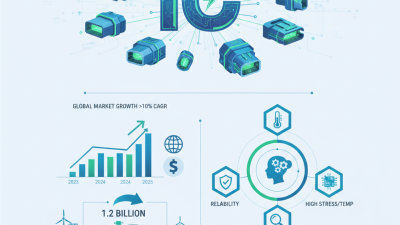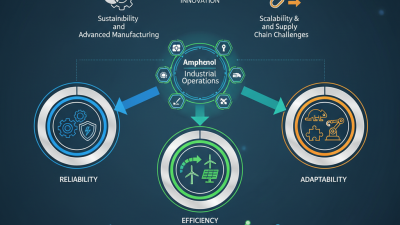
Industrial connectivity is becoming a business-critical discipline, not a simple purchasing category. Factories now depend on connectors that withstand vibration, heat, moisture, chemicals, and repeated maintenance cycles. Amphenol’s 2023 Annual Report reported approximately US$12.6 billion in sales, reflecting the scale of demand across industrial, automotive, aerospace, and communications markets. That scale also raises expectations for qualified partners supporting amphenol industrial operations.
This article introduces ten leading suppliers associated with Amphenol industrial operations and related interconnect requirements. The selection considers connector compatibility, engineered customization, material quality, certification practices, production capacity, delivery performance, and technical support. These factors matter on the factory floor. A sealed connector beside a hydraulic line cannot be judged by price alone. MarketsandMarkets has identified industrial connectors as a growing market, supported by automation, electrification, robotics, and smart manufacturing investment. The report also highlights the rising need for reliable signal and power transmission in harsh environments.
Details matter.
Supplier performance can change by region, project volume, and product family. A manufacturer may excel in circular connectors but offer weaker support for high-speed data assemblies. Another may provide competitive pricing but longer qualification cycles. Therefore, this ranking should be treated as a practical starting point rather than an absolute verdict. Public company reports, certification records, product documentation, and customer-facing engineering evidence provide useful reference points. However, some supplier data remains difficult to compare consistently, especially private-company capacity and real-world defect rates. Buyers should verify current certifications, factory capabilities, lead times, and compliance requirements before approving a supplier. The final choice must fit the application, not merely the headline ranking.
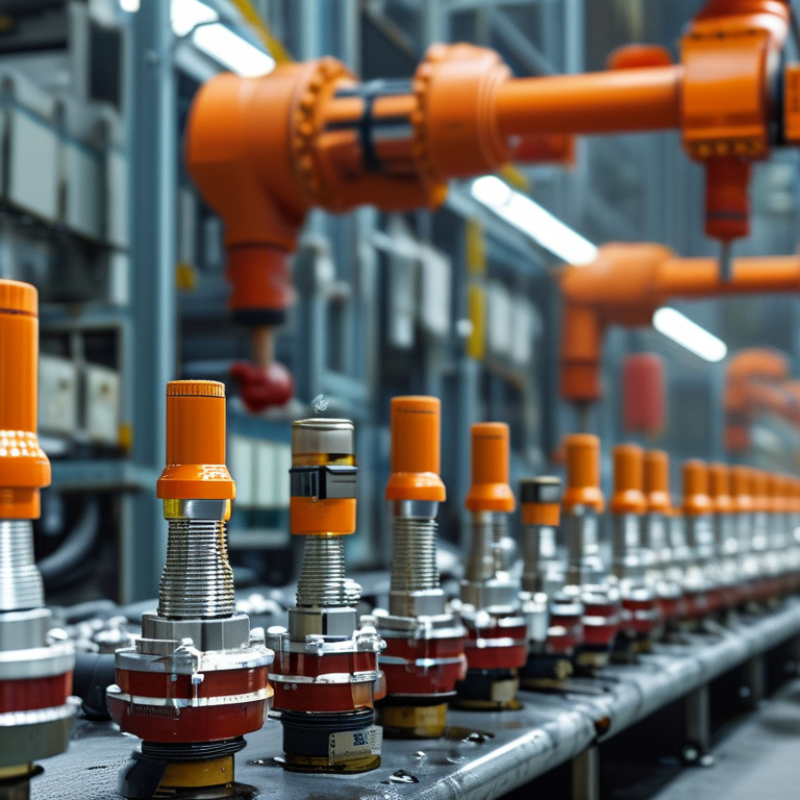
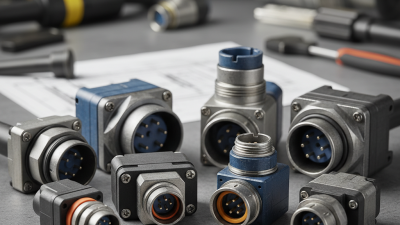
Industrial connector systems serve harsh, high-demand environments where signal stability matters. Their product range often includes circular connectors, rectangular connectors, cable assemblies, backshells, and field-installable accessories. Sealing options protect contacts from dust, moisture, vibration, and chemical exposure. Contact layouts may support power, control, data, or hybrid transmission. Selection depends on current rating, voltage, temperature, mating cycles, and installation space. A connector that fits electrically may still fail mechanically. That detail is often underestimated.
In factories, these components link motors, sensors, drives, robots, and control cabinets. Transportation equipment uses them near batteries, lighting, braking controls, and communication units. Energy projects may require reliable connections for inverters, storage systems, and monitoring equipment. Marine and outdoor systems demand corrosion resistance and stable sealing. Medical and test equipment can need compact, cleanable designs. Real projects rarely match catalog conditions exactly. Cable routing, service access, and operator skill can change the result.
Tips: Ask for verified drawings, test reports, ingress protection data, and material specifications. Confirm derating under heat. Request samples before volume purchasing. Compare lifecycle cost, not only unit price. Keep a second source for critical assemblies. Supplier rankings can remain subjective; local support, lead time, and revision control may matter more than a broad product list.
China’s Industrial Connector Supply Chain and Supplier Selection Criteria
China’s industrial connector supply chain covers molding, stamping, plating, assembly, testing, and export logistics. A reliable supplier should explain each stage clearly. Ask where metal contacts are produced, how plating thickness is measured, and how resin batches are traced. Vague answers deserve caution.
Supplier selection should begin with application requirements. Check current rating, voltage, contact resistance, sealing performance, vibration tolerance, and operating temperature. Request samples from regular production lines, not special demonstration units. Test fit, locking force, insulation, and repeated mating cycles. Small details matter, especially in control cabinets and outdoor equipment.
A qualified supplier should provide inspection records, material certificates, process controls, and change notifications. Independent testing can verify thermal aging and environmental protection claims. Delivery capability also matters. Review mold ownership, safety stock, minimum order quantities, and recovery plans for delayed shipments. Clear export documents reduce avoidable delays.
Price alone misleads.
In practical sourcing, a cheaper connector may create higher installation costs. However, a high quotation does not guarantee better reliability. Supplier audits, factory video checks, and trial orders create stronger evidence. One weakness remains: many evaluations focus on samples, while long-term batch consistency receives less attention. That gap deserves careful review.
China’s industrial supply network includes many capable partners for demanding connector and equipment operations. A practical top-ten shortlist includes precision molders, stamped-metal producers, cable-assembly shops, plating specialists, resin compounders, tooling makers, inspection-equipment suppliers, packaging manufacturers, logistics coordinators, and compliance-testing laboratories. Each supports a different production risk.
The strongest candidates show process evidence, not polished promises. They provide material certificates, first-article reports, cavity measurements, and batch-level traceability. A reliable molder should explain shrinkage control around thin walls. A stamping supplier should show burr limits under magnification. Cable assemblers need pull-force records and continuity testing. Plating partners should document thickness, adhesion, and salt-spray performance. Small details matter.
Site visits often reveal the real capability. Look for calibrated gauges, controlled storage, clean assembly benches, and operators following visible work instructions. Ask for samples from normal production, not only selected pieces. Some suppliers respond quickly but lack backup tooling. Others have strong equipment yet weak documentation. That is an uncomfortable gap. Supplier scoring should include quality history, engineering response time, capacity, labor practices, and lawful export compliance. A trial order with defined acceptance criteria remains safer than trusting a presentation.
China’s top ten industrial operations suppliers should be judged by evidence, not factory photographs. Each profile should explain connector design, machining capacity, molding equipment, and assembly controls. Experienced suppliers can provide drawings, tolerance records, and sample traceability.
Certifications reveal operational discipline. ISO 9001 supports documented quality procedures, while IATF 16949 indicates stronger automotive process controls. ISO 14001 helps assess environmental management. Reliable suppliers also maintain incoming inspection, automated testing, and calibrated measurement equipment. Ask for current certificates. Expired documents create unnecessary risk.
Manufacturing strength appears in practical details. Look for CNC lines, controlled plating rooms, clean assembly areas, and documented capacity planning. A capable supplier should explain lead times during demand spikes. It should also show corrective-action reports without hiding every weakness. That matters.
Supplier profiles should identify engineering staff, export experience, and inspection methods. Factory audits can confirm whether listed equipment is actually operating. However, public information is often incomplete. Some suppliers describe broad capabilities but provide limited test data. That gap deserves a lower evaluation. Pricing alone cannot prove reliability. A more dependable comparison reviews tooling ownership, material control, batch records, and after-sales response. The best candidates communicate clearly when specifications need revision, rather than promising everything immediately.
| No. | Profile ID | Primary Manufacturing Cluster | Industrial Connector and Cable Capabilities | Core Manufacturing Processes | Certification and Quality Framework | Engineering and Testing Strengths | Typical Customer Applications | Manufacturing Strengths | Recommended Verification |
|---|---|---|---|---|---|---|---|---|---|
| 1 | Supplier Profile 01 | Shanghai–Jiangsu corridor | Circular industrial connectors, ruggedized cable assemblies, panel-mount interfaces, and overmolded harnesses. | CNC turning, die casting, injection molding, crimping, soldering, and automated electrical assembly. | ISO 9001 quality-system structure; RoHS and REACH material-control procedures; customer-specific PPAP support. | Continuity, insulation-resistance, hipot, contact-resistance, dimensional, and visual inspections. | Factory automation, industrial controls, robotics, instrumentation, and machine vision. | Strong tooling supply chain, short domestic lead times, and flexible medium-volume production. | Audit certificates, UL file references, material declarations, and first-article inspection reports. |
| 2 | Supplier Profile 02 | Shenzhen–Dongguan manufacturing belt | High-density signal connectors, miniature circular interfaces, Ethernet assemblies, and custom cable systems. | Precision stamping, insert molding, micro-assembly, automatic crimping, laser marking, and cable testing. | ISO 9001 practices with traceability, ESD controls, RoHS documentation, and process-control records. | High-speed signal checks, pin-to-pin testing, impedance verification, microscopy, and connector mating-cycle tests. | Industrial networking, medical equipment, test instruments, communications, and embedded electronics. | Fast prototyping, strong electronics supply-chain access, and efficient high-mix assembly. | Confirm high-speed test capability, controlled impedance data, ESD audit results, and applicable safety approvals. |
| 3 | Supplier Profile 03 | Ningbo–Zhejiang industrial zone | Heavy-duty circular connectors, waterproof cable glands, field-installable connectors, and power interfaces. | Metal turning, aluminum or zinc die casting, sealing assembly, cable termination, and pressure testing. | ISO 9001-based quality management, ingress-protection testing procedures, and restricted-substance controls. | IP water and dust testing, salt-spray testing, temperature cycling, torque testing, and pull-force checks. | Outdoor automation, marine equipment, renewable-energy systems, construction machinery, and transportation. | Competitive metalworking costs, broad enclosure options, and good customization for harsh environments. | Request IP test reports, corrosion results, sealing-material specifications, and dimensional capability studies. |
| 4 | Supplier Profile 04 | Suzhou–Kunshan electronics cluster | Board-level connectors, wire-to-board products, backplane interfaces, and precision cable assemblies. | Precision stamping, high-speed molding, automated insertion, SMT-compatible assembly, and harness processing. | ISO 9001 procedures, supplier quality controls, ESD management, and documented engineering-change control. | Dimensional inspection, cross-section analysis, contact-force testing, electrical verification, and thermal aging. | Industrial computers, drives, control cabinets, factory automation, and power-management equipment. | Strong precision tooling ecosystem and reliable integration with electronics contract manufacturers. | Verify terminal plating thickness, mating-force data, mold-flow controls, and component-level qualification records. |
| 5 | Supplier Profile 05 | Wenzhou–Zhejiang electrical manufacturing area | Low-voltage power connectors, terminal blocks, control-panel accessories, and industrial wiring components. | Brass stamping, screw machining, plastic molding, plating, manual assembly, and electrical testing. | ISO 9001 framework, production inspection plans, RoHS controls, and product-safety documentation where applicable. | Temperature-rise, dielectric-strength, torque, pull-out, insulation, and endurance testing. | Control panels, distribution equipment, HVAC systems, building automation, and machine wiring. | Broad catalog flexibility, cost-efficient production, and strong support for standard electrical formats. | Check terminal-material grades, flame-rating evidence, applicable certification marks, and temperature-rise reports. |
| 6 | Supplier Profile 06 | Chongqing–Sichuan equipment base | Vehicle and off-road equipment connectors, sealed harnesses, sensor interfaces, and vibration-resistant assemblies. | Precision molding, terminal crimping, seal insertion, ultrasonic welding, harness assembly, and automated inspection. | Automotive-style quality controls, ISO 9001 systems, traceability, process audits, and restricted-substance management. | Vibration, thermal shock, water ingress, terminal retention, crimp-height, and continuity testing. | Commercial vehicles, agricultural equipment, industrial engines, rail-related equipment, and mobile machinery. | Experience with sealed harnesses, harsh-environment materials, and structured process documentation. | Confirm automotive quality accreditation, crimp-monitoring records, environmental test profiles, and traceability depth. |
| 7 | Supplier Profile 07 | Xiamen–Fujian export manufacturing region | Waterproof circular connectors, solar and battery cable assemblies, and outdoor power interfaces. | Die casting, injection molding, sealing, cable cutting, crimping, overmolding, and final electrical testing. | ISO 9001 practices, environmental compliance files, batch traceability, and product-safety testing support. | IP testing, UV exposure, salt spray, thermal cycling, insulation, hipot, and connector heating checks. | Solar equipment, energy storage, outdoor lighting, marine systems, and distributed power installations. | Good export packaging capability, outdoor-material experience, and adaptable cable-length configurations. | Request UV and weathering data, cable ratings, IP test conditions, and evidence for target-market approvals. |
| 8 | Supplier Profile 08 | Qingdao–Shandong equipment region | Industrial Ethernet assemblies, marine connectors, heavy equipment harnesses, and corrosion-resistant interfaces. | CNC machining, metal finishing, cable termination, overmolding, sealing assembly, and batch testing. | ISO 9001 quality controls, incoming-material inspection, process traceability, and environmental compliance procedures. | Salt spray, vibration, shock, insulation, continuity, cable-pull, and enclosure-sealing tests. | Port equipment, marine automation, mining machinery, cranes, and industrial communications. | Robust metal-component capability and suitability for rugged, vibration-intensive installations. | Validate corrosion-protection specifications, marine-grade materials, EMC requirements, and vibration-test reports. |
| 9 | Supplier Profile 09 | Guangzhou–Foshan manufacturing area | Custom industrial cable assemblies, control-system connectors, circular power products, and machine harnesses. | Wire processing, terminal crimping, injection molding, CNC machining, labeling, and semi-automated assembly. | ISO 9001-based procedures, work-instruction control, RoHS documentation, and final inspection records. | Cable mapping, hipot, continuity, resistance, pull-force, visual, and dimensional inspection. | Packaging machinery, material handling, process equipment, HVAC, and general factory automation. | Flexible customization, practical engineering support, and efficient low-to-medium volume production. | Review wiring diagrams, sample approval procedures, crimp specifications, and change-management controls. |
| 10 | Supplier Profile 10 | Wuhan–Hubei advanced manufacturing base | High-reliability connectors, sensor cable assemblies, industrial communication interfaces, and engineered interconnect systems. | Precision machining, stamping, molding, automated cable processing, laser marking, and functional testing. | ISO 9001 quality management, engineering-change control, supplier qualification, and compliance documentation. | Environmental cycling, mechanical endurance, signal-integrity checks, dimensional measurement, and reliability testing. | Sensors, laboratory instruments, industrial drives, energy systems, and intelligent manufacturing equipment. | Engineering-led development, traceable production records, and capacity for technically customized products. | Confirm laboratory equipment calibration, reliability-test methods, engineering resources, and production-capacity evidence. |
China’s industrial connector suppliers differ sharply in quality, speed, and engineering depth. The 2024 World Robotics report recorded 276,288 industrial robot installations in China during 2023. That scale increases demand for vibration-resistant, high-cycle connection systems. When comparing suppliers, buyers should examine ISO 9001 certification, traceability records, salt-spray results, and mating-cycle data. Certification alone is not enough. Audit the factory.
Cost remains important, but it should not dominate the decision. A lower quotation may hide unstable plating thickness, slower tooling changes, or weak after-sales support. Supplier comparisons should include sample approval time, mold ownership, monthly capacity, defect rates, and documented corrective actions. The 2024 connector market analysis by Grand View Research valued the global sector at more than 80 billion US dollars, reflecting strong demand for reliable interconnection products. Suppliers serving this market need more than price flexibility. They need controlled processes and export experience. Factory visits can reveal details that spreadsheets miss, including labeled inspection stations and clean storage areas. Some evaluations still rely too heavily on brochures. That is a mistake worth reconsidering.
Anonymous supplier benchmark based on commonly used industrial connector procurement factors: manufacturing capacity, quality-system maturity, customization capability, delivery responsiveness, and export readiness. Scores use a standardized 0–100 evaluation scale.
Higher scores indicate stronger relative performance in the selected purchasing dimension. The supplier labels are anonymized for neutral comparison.