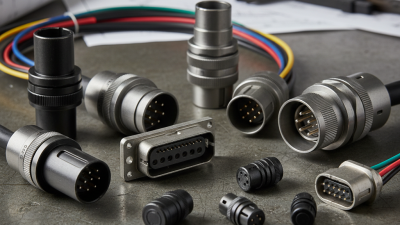
Choosing the right ms connector is rarely a simple matter of matching pins and sockets. Buyers must examine contact density, shell size, environmental sealing, vibration resistance, and long-term availability. A connector used inside an aircraft panel faces different pressures from one installed on a factory robot. Small details matter, such as gold-plated contacts, crimp termination quality, and the backshell’s strain relief.
Ron Bishop, a longtime connector-industry analyst, has often stressed a practical buyer principle: “A connector is only reliable when the entire interconnect system is reliable.” That observation deserves attention. The housing may meet a military specification, yet poor cable preparation can still create intermittent failures. This guide examines ten widely considered ms connector types, including MIL-DTL-5015, MIL-DTL-26482, MIL-DTL-38999, and related circular configurations. Each type offers a different balance of size, sealing, contact capacity, assembly effort, and cost.
The ranking is not absolute. That is important. A lightweight connector may suit aerospace equipment but disappoint in a high-current industrial cabinet. Buyers should also verify current standards, manufacturer data, qualification reports, and lifecycle support before ordering. Field experience often reveals issues that catalog pages hide, including difficult mating, limited tooling, or inconsistent lead times. The best choice is therefore not the most advanced option. It is the ms connector that fits the application, installation method, maintenance plan, and real operating environment. Mistakes happen. Careful comparison reduces them.
What Are the Top 10 MS Connector Types for Buyers?
MS connectors are military-standard interfaces designed for reliable power and signal transfer. Their role extends beyond defense equipment. Aircraft systems, industrial controls, transport electronics, and outdoor instrumentation also use them. Buyers commonly evaluate ten families: circular, rectangular, rack-and-panel, hermetic, filter, high-temperature, fiber-optic, RF/coaxial, power, and PCB connectors.
Each type solves a different application problem. Circular connectors suit vibration and field servicing. Rectangular versions save panel space. Hermetic connectors protect sensitive circuits from moisture and pressure changes. Filter connectors reduce electromagnetic interference near control systems. Fiber-optic types support high-bandwidth links without electrical noise. Rack-and-panel designs simplify repeated equipment removal. That matters during maintenance.
Market data supports this wider adoption. MarketsandMarkets estimated the global connector market at about USD 84 billion in 2024, with continued growth through 2029. Bishop & Associates also reported that aerospace, defense, and transportation remain important high-reliability connector segments. These figures indicate demand, not guaranteed suitability. Buyers should verify contact material, current rating, mating cycles, shell finish, sealing level, and operating temperature. A connector can look rugged yet fail after poor cable termination. This is often overlooked.
Standards still need careful reading. “MS” may describe a specification family, not identical performance across every configuration. Engineers should request qualification records, traceability documents, and environmental test results. Sometimes, the cheapest option creates the most expensive inspection problem.
MS connectors are selected according to contact capacity, environmental protection, coupling method, size, and application requirements. The chart compares representative maximum signal-contact capacities for commonly specified military-standard connector families and configurations. Actual capacity varies by shell size, insert arrangement, contact size, and voltage requirements.
Higher contact capacity can support more circuits in a single connector, while compact, sealed, filtered, coaxial, and fiber-optic designs may prioritize signal integrity, weight, or environmental performance over the number of contacts.
Buyers usually compare ten MS connector families: MIL-DTL-5015, MIL-DTL-26482 Series I, MIL-DTL-26482 Series II, MIL-DTL-38999 Series I, II, III, and IV, MIL-DTL-24308, MIL-DTL-22992, and MIL-DTL-27599. These standards define more than part numbers. They control shell dimensions, coupling methods, contact retention, environmental sealing, and qualification requirements. Circular shells suit vibration-heavy harnesses and protected equipment. Rectangular shells save panel space in dense avionics cabinets. A 2024 MarketsandMarkets report identifies aerospace and defense as major growth areas for rugged connectors, driven by higher data density and harsh-environment electronics.
Contact configuration deserves equal attention. Pin contacts normally provide the mating interface, while socket contacts protect recessed conductors. Layouts may include power, signal, coaxial, or mixed contacts. High-density rectangular types can reduce panel openings, but they may complicate inspection and repair. Circular families often offer stronger environmental protection. MIL-DTL-38999 options also support multiple shell sizes, keying positions, and contact arrangements. That flexibility can reduce redesign risk. It can also create selection mistakes. Many buyers overlook wire gauge, current derating, insertion cycles, and backshell clearance. The 2023 TE Connectivity Aerospace Market Report notes continuing demand for lighter, smaller interconnect systems, yet weight reduction should not replace serviceability. A connector that fits the drawing may still fail the technician’s gloved hands. Check the qualification record, test conditions, and actual mating space before approving a substitute.
Buyers often group several qualified military connector families under “MS connectors.” The practical comparison starts with MIL-DTL-5015, MIL-DTL-26482 Series I, and Series II. These circular connectors suit rugged power and control wiring.
MIL-DTL-38999 Series I, II, III, and IV offer higher contact density, lighter shells, and stronger environmental protection. MIL-DTL-24308 rectangular connectors support compact panel layouts. MIL-DTL-83513 micro-miniature connectors fit weight-sensitive electronics. MIL-DTL-22992 remains relevant where high-current, quick-disconnect performance matters.
Look beyond the catalog name. The U.S. Department of Defense ASSIST database identifies qualified specifications, revisions, and test requirements, making it a useful verification source.
A 2024 military-connectors market assessment forecasts approximately 6% compound annual growth through 2029.
That growth reflects aerospace upgrades, vehicle electronics, and harsher operating environments.
Buyers should compare contact size, current rating, shell material, keying, mating cycles, sealing, and termination method.
In field reviews, backshell access often matters more than advertised density. A connector can meet its specification yet fail a cramped installation. That detail is easy to miss.
I would also question blanket IP claims, because complete assembly performance depends on plugs, gaskets, backshells, and cable design.
Real test records should support every environmental claim.
Selecting an MS connector requires more than matching shell size. Buyers should verify contact layout, rated current, operating voltage, temperature range, and keying position. The global connectors market was valued at approximately USD 84 billion in 2023, according to Grand View Research’s 2024 industry report. This growth reflects rising demand for dependable connections in aerospace, transport, industrial controls, and defense equipment.
Performance depends on the actual operating environment. Check vibration resistance, mating cycles, insulation resistance, and sealing performance under IEC 60512 test methods. For outdoor equipment, an environmental seal and suitable ingress protection rating are essential. A connector may pass a laboratory test yet fail after repeated vibration or poor cable strain relief. That detail is often missed.
Compatibility also includes mechanical and electrical fit. Compare shell dimensions, contact gender, termination style, wire gauge, and mounting clearance. MS connector families may use solder, crimp, or PCB terminations, but these options are not automatically interchangeable. The 2024 MarketsandMarkets report projects the connector market to grow from about USD 84 billion in 2024 to over USD 116 billion by 2029. Buyers should still treat forecasts carefully. A higher market figure does not prove suitability for one application. Request test records, material specifications, and sample assemblies before approving volume purchases. Datasheets help. Field evidence matters more.
The ten common connector groups include wire-to-wire, wire-to-board, board-to-board, circular, rectangular, coaxial, terminal blocks, USB, sealed automotive, and fiber-optic connectors. Each serves different electrical, mechanical, and environmental needs. Grand View Research estimated the global electrical connectors market at about USD 84 billion in 2023, with continued growth through 2030. That scale increases choice, but it also makes specification errors expensive.
Purchasers should compare contact material, current rating, voltage rating, mating cycles, sealing performance, and temperature range. IP ratings matter in dusty or wet equipment. For vibration, locking features and strain relief deserve attention. IEC test methods can support fair comparisons, while supplier inspection records improve traceability.
Cost should include tooling, assembly time, field replacement, and expected failure rates. The cheapest quote can look wise. It often is not. A connector that saves cents but causes intermittent signals may create costly service work. I would also question optimistic lifetime claims without test conditions. They are difficult to trust.
Tips: Request samples from at least two qualified sources. Test them with the actual cable, housing, torque, vibration, and operating temperature. Check dimensional drawings, compliance files, and change-notification terms. A 2024 industry analysis from MarketsandMarkets identifies miniaturization, higher data speeds, and ruggedized designs as major connector trends. Do not select only by catalog appearance. Test the fit.