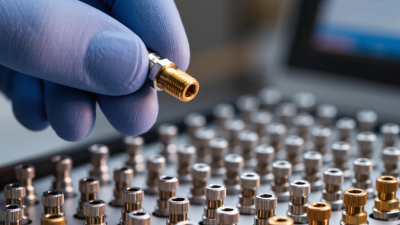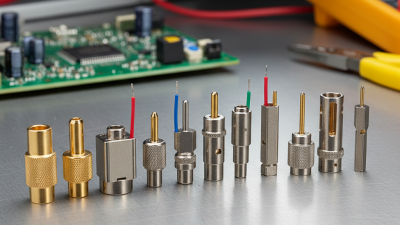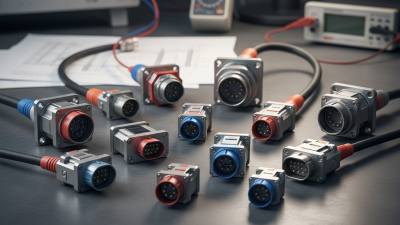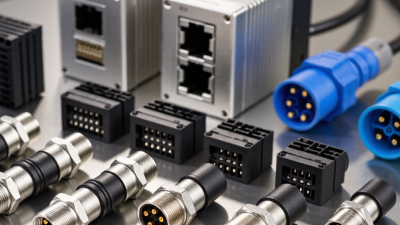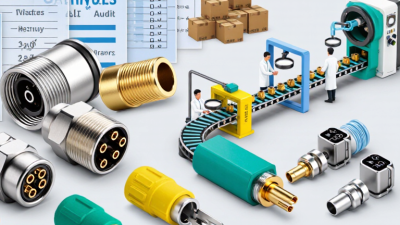
Choosing the right amphenol connector pins starts with the job they must perform. A contact may carry power, signal, or both. Its material, plating, wire size, and termination style affect fit and performance. Buyers commonly compare machined contacts for demanding applications with stamped-and-formed contacts for compact, high-volume designs. Crimp, solder, and PCB-tail options also suit different assembly methods. There is no universal best pin. The connector family and its specified contact are the starting point.
Amphenol’s 2024 Annual Report recorded approximately $15.2 billion in net sales. That figure reflects the company’s broad business, not sales of connector pins alone. It does show why buyers may encounter Amphenol products across communications, automotive, industrial, and other markets. A useful selection process checks the exact series, contact part number, wire range, current rating, and approved tooling against the manufacturer’s documentation. Then consider operating temperature, vibration, corrosion exposure, and whether the contact is replaceable. Small details matter. A catalog description can sound right yet still point to the wrong contact for a particular housing. I would verify compatibility before ordering, especially when replacing a pin in an existing assembly. This guide compares common types of amphenol connector pins and explains where each may fit, what buyers should check, and which trade-offs deserve a closer look. The report provides useful context, but product-level specifications—not company scale—should guide the final choice.
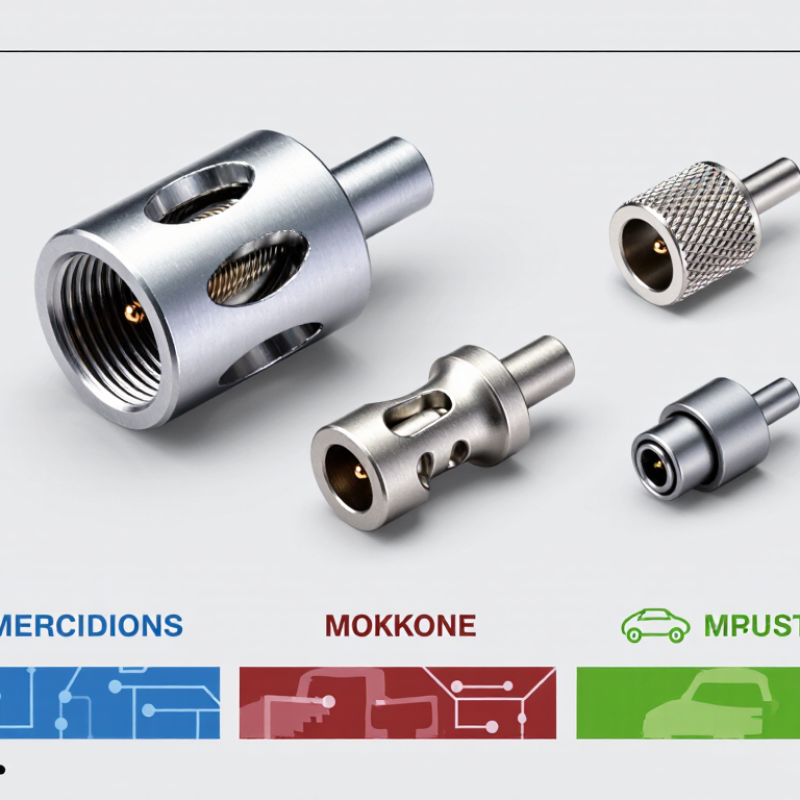
Connector pins are the conductive contacts inside a connector. Their shape helps determine how they mate, carry current, and stay aligned. Common forms include solid pins for stable, repeated connections and stamped contacts for compact, high-volume assemblies. The right choice depends on the connector design, wire size, and operating conditions. Small details matter.
Materials often include copper alloys, chosen for their balance of conductivity and spring strength. A thin layer of tin can support economical connections, while gold plating is used where low contact resistance and corrosion resistance are important. Plating thickness and base material both affect performance; appearance alone tells little. Check the product specification.
A pin’s structure usually includes a mating area, a retention feature, and a termination end for a wire or circuit board. The mating area creates contact pressure, while retention features keep the pin seated in its housing. Some pins are crimped; others are soldered or press-fit. Each method needs compatible tooling and careful workmanship. A poorly crimped contact may look fine but loosen under vibration. That is easy to overlook. For buyers, verify current rating, wire range, plating, temperature limits, and mating-cycle data against the actual application. Datasheets can vary in detail, so confirm unclear values with the supplier before ordering.
Connector pins vary by contact shape, plating, and current rating. Machined pins suit demanding equipment because their solid construction supports repeatable contact in compact assemblies. Stamped pins are lighter and economical for high-volume devices, though they may be less suitable for severe vibration. Socket contacts pair with pins in removable harnesses, while crimp contacts are common in field wiring. Choose gold plating for low-level signals and corrosion resistance; tin often fits cost-sensitive power connections. The right choice depends on the mating connector, wire gauge, environment, and specified current—not appearance alone.
Applications differ. Fine-pitch signal pins appear in control boards and sensors, where stable readings matter. Larger power contacts serve industrial drives, battery systems, and equipment cabinets. A Grand View Research industry report estimated the global connector market at USD 84.4 billion in 2023, reflecting broad demand across electronics sectors. That figure covers connectors overall, not pin types, so it should not be treated as a pin-specific forecast. I have seen selection guides overlook temperature and vibration; that is an easy mistake.
Tips: Check the contact’s rated current, wire size, plating, and mating-cycle specification together. Confirm compatibility with the exact housing and crimp tool. For outdoor equipment, review sealing and corrosion requirements. A sample pull test can expose weak crimps before production. It takes time, but guessing is worse.
Choosing connector pins starts with the dimensions of the mating interface. Measure the pin diameter and usable length, then check the connector’s drawing rather than estimating from a photo. A pin that looks close may sit too far back or fail to make consistent contact. Small differences matter.
Contact style should match the wire, assembly method, and expected service conditions. Crimp contacts need the specified wire gauge and a suitable crimp tool; solder contacts require enough access to form a clean joint without overheating nearby parts. For repeated connection cycles, review the contact’s rated durability. Check the details.
Electrical requirements need equal care. Compare current and voltage ratings with the actual load, and consider temperature rise, insulation, and contact resistance. Leave practical headroom instead of selecting a pin right at its stated limit. For example, a compact pin carrying power in a warm enclosure may need a lower operating current than the same pin in open air. Specifications do not capture every installation condition, so verify the fit and performance in the finished assembly. I would not treat a catalog match as proof.
2026 Best Types of Amphenol Connector Pins for Buyers
Choosing the right connector pin starts with the actual load, not the catalog headline. Current rating depends on pin size, wire gauge, contact resistance, and temperature rise inside the housing. Machined pins suit demanding power circuits because their solid bodies resist deformation. Stamped and formed pins often reduce cost while supporting reliable signal connections. Spring-loaded pins help maintain contact when vibration or slight movement is expected.
Do not trust one number. Heat matters. A pin rated for high current may perform poorly in a crowded enclosure with limited airflow. Check the rating at the intended ambient temperature and confirm the permitted temperature rise. For durability, review mating-cycle data, contact force, plating thickness, and resistance to fretting. Gold-plated contact areas usually support stable low-level signals, while harder surface finishes may suit repeated mechanical use. The correct choice is rarely the cheapest option.
Environmental protection also requires matching the pin to its surroundings. Sealed connector systems help resist water, dust, oil mist, and road splash. Unsealed designs may work better in clean indoor equipment. Look for compatible seals, corrosion-resistant materials, and a housing with a suitable ingress rating. During evaluation, inspect crimp quality and pull strength, not just the pin itself. A weak crimp can erase the benefit of an excellent contact. Real installations often expose this gap. Lab data alone is not enough.
Selecting connector pins starts with the interface, not catalog appearance. In practical sourcing, check mating geometry, wire range, retention, and termination method before comparing price. Stamped-and-formed pins suit high-volume harnesses and consistent crimping. Machined pins provide tighter dimensional control for demanding contact layouts. Spring contacts help where repeated mating and tolerance compensation matter. The less obvious choice can be better.
Market data supports careful selection. MarketsandMarkets valued the global connector market at about $84.3 billion in 2023. Its report projects approximately $106.7 billion by 2028, driven by transportation, industrial automation, and data infrastructure. Grand View Research also forecasts steady connector-market growth through 2030. These figures indicate strong demand, but they do not prove every pin fits every assembly. Specifications still matter more than market momentum.
For purchasing, define contact size, current, voltage, plating, base alloy, wire gauge, temperature, vibration, sealing, and mating cycles. Tin plating often suits cost-sensitive power connections. Gold plating is preferred for low-level signals and repeated cycling, but thickness remains critical. Request drawings, compliance declarations, lot traceability, crimp-height guidance, and test records aligned with IEC 60512 and IPC/WHMA-A-620. Include tooling and rework in total cost. A cheaper pin may waste hours. Ordering samples from two production lots can expose weak retention or poor packaging. Some specifications stay ambiguous. Clarify them before release.