Top Circular Connectors Suppliers for Global Buyers?

Top Circular Connectors Suppliers for Global Buyers?

Circular connectors are becoming essential across aerospace, industrial automation, medical equipment, energy, and transportation systems. Their value is practical: secure mating, environmental protection, vibration resistance, and reliable signal or power transmission.

MarketsandMarkets estimates that the global circular connectors market will grow from approximately USD 4.9 billion in 2024 to USD 6.7 billion by 2029. Grand View Research also identifies automation, electric vehicles, and advanced manufacturing as important growth drivers. These reports use different market definitions. Their figures should not be treated as perfectly interchangeable.

Ron Bishop, president of Bishop & Associates, has observed, “The connector industry follows the markets it serves.” This short statement remains useful for global buyers. Supplier selection should reflect the application, not only the catalogue size or quoted price.

A strong supplier normally demonstrates stable production, traceable materials, documented testing, and responsive engineering support. Buyers should examine contact plating, shell materials, ingress protection, operating temperature, mating cycles, and applicable quality certifications. A connector may look robust in a product photograph. It can still fail under salt spray, repeated vibration, or poor cable termination.

Real purchasing experience also reveals less obvious risks. Tooling ownership, minimum order quantities, regional inventory, and replacement compatibility can affect total cost. Delivery promises require verification.

This guide compares leading circular connectors suppliers for global buyers. It considers product breadth, customization capability, certifications, manufacturing reach, and after-sales reliability. No ranking is universally correct. An aerospace integrator and a factory-equipment buyer may need very different suppliers. That limitation deserves attention.
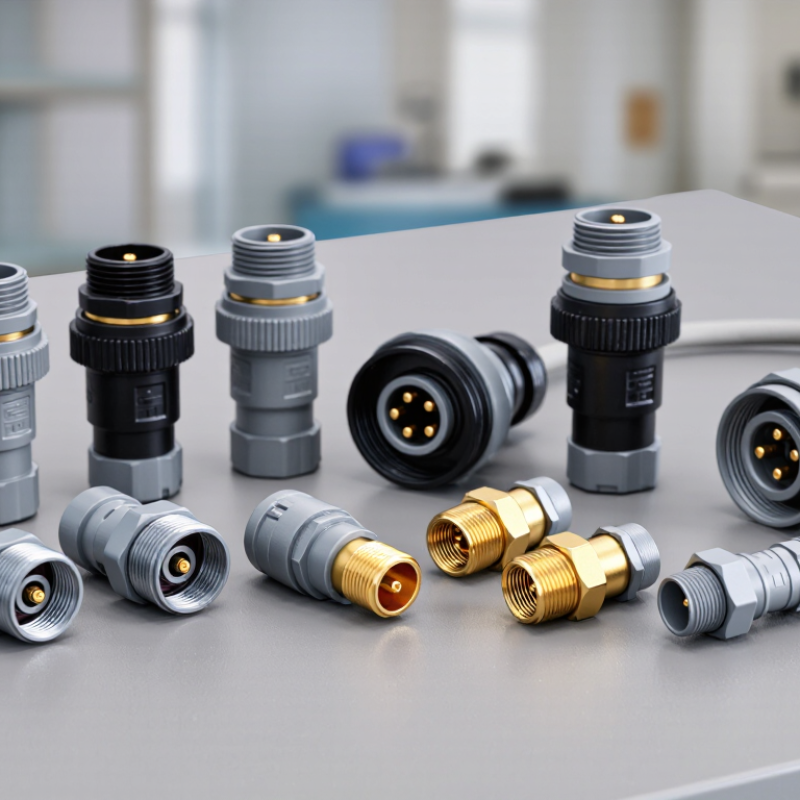
Top Circular Connectors Suppliers for Global Buyers?

What Are Circular Connectors and Where Are They Used?

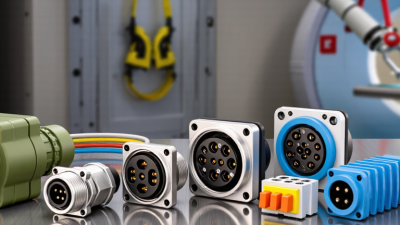
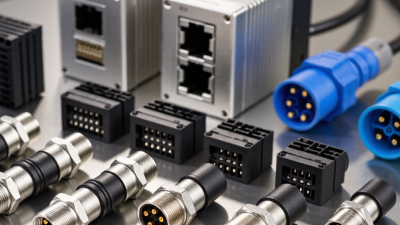
Circular connectors are electromechanical interfaces with round housings and contact pins or sockets. They join power, signals, data, or fluid-control circuits in equipment. A threaded, bayonet, or push-lock coupling holds the connection during movement. The circular shape distributes pressure evenly and protects contacts from accidental side loads. In practice, the connector is often chosen before the cable. That order can create problems.

Engineers use circular connectors on factory sensors, robotic arms, medical instruments, outdoor lighting, and transport equipment. A machine tool may need a compact connector carrying 24-volt power and encoder signals. A camera system may require shielding against motor noise. Outdoor assemblies usually need sealed backshells and corrosion-resistant shells.

Check ingress protection, operating temperature, current rating, mating cycles, and keying. These details help prevent reverse insertion and overheating. But ratings are not universal.

A connector marked for harsh environments may still fail when its cable bend radius is ignored. I have seen installation teams focus on pin count, then discover limited clearance behind a panel. That small oversight delayed testing. Supplier evaluation should include drawings, material declarations, test reports, and replacement availability. Samples also deserve hands-on checks: mate them with gloves, route the cable, and inspect the latch after vibration. A polished datasheet helps, but field fit tells the harder truth.

How to Evaluate Circular Connector Suppliers Worldwide

Evaluating circular connector suppliers worldwide requires more than comparing unit prices. Start with fit, function, and evidence. Request controlled drawings, material declarations, mating-cycle results, contact resistance data, and ingress protection certificates. IEC 60512 provides recognized methods for testing electrical and mechanical connector performance. A supplier should explain which tests were completed, under what conditions, and by whom.

Quality systems matter, but certificates need context. The ISO Survey 2023 recorded 1,265,216 valid ISO 9001 certificates globally. That figure shows broad adoption, not automatic product reliability. Check the certificate scope, audit date, manufacturing location, and corrective-action process. Ask for lot traceability and sample inspection records. Small details often reveal maturity. Verify plating thickness, shell material, cable termination controls, and storage conditions. For harsh environments, review corrosion, vibration, thermal cycling, and sealing results against the actual application.

Supply resilience deserves equal attention. Compare tooling ownership, approved subcontractors, safety stock, production capacity, and realistic lead times. A low quotation may conceal weak continuity planning. I have found supplier scorecards useful, though they can create false confidence when technical risks receive too little weight. Run independent validation on samples before approval. Inspect connector mating by hand, under load, and after environmental exposure. Then record failures honestly. Perfect documentation is rare. Hidden assumptions are more dangerous. Sources: ISO Survey of Management System Standard Certifications 2023; IEC 60512, Connectors for Electronic Equipment—Tests and Measurements.

Top Circular Connectors Suppliers for Global Buyers? - How to Evaluate Circular Connector Suppliers Worldwide

Supplier Evaluation Category Typical Buyer Requirement Relevant Technical Standard or Reference Evidence Buyers Should Request Recommended Evaluation Weight Global Purchasing Consideration
Industrial Automation and Sensors Compact circular connectors for sensors, actuators, control cabinets, and fieldbus equipment. IEC 61076-2-101 is commonly used for M12 circular connector interfaces; IEC 60529 defines IP protection ratings. Dimensional drawings, contact layout, mating-cycle data, IP test report, and electrical ratings. 20% Confirm metric thread compatibility, cable availability, regional inventory, and conformity documentation.
Transportation and Rail Systems High-vibration, temperature-resistant connectors for rolling stock, signaling, and transportation equipment. EN 45545-2 may apply to fire behavior of materials used in railway vehicles; EN 50155 may apply to electronic equipment used on rolling stock. Material declarations, vibration and shock test results, temperature-cycle data, and sector-specific approvals. 18% Check project traceability, long-term production support, controlled design changes, and delivery to multiple countries.
Aerospace and Defense Ruggedized connectors with secure coupling, low contact resistance, and resistance to vibration and harsh environments. MIL-DTL-5015 covers a family of circular electrical connectors; EN 2997 is used for certain aerospace circular connector applications. Qualification reports, approved-process records, lot traceability, plating specifications, and export-control review. 22% Evaluate regulatory eligibility, secure documentation exchange, supply continuity, and country-specific export restrictions.
Energy and Outdoor Equipment Weather-resistant connectors for charging equipment, power systems, outdoor controls, and renewable-energy installations. IEC 60529 defines IP ratings; IEC 61984 provides general safety requirements for connectors; applicable product standards depend on the end use. IP test certificate, salt-spray results where relevant, current derating curves, insulation data, and field-installation instructions. 16% Compare ultraviolet resistance, sealing performance, cable-gland compatibility, spare-part supply, and warranty terms.
Medical and Laboratory Equipment Reliable, cleanable connectors with stable electrical performance and controlled material selection. IEC 60601-1 may be relevant to medical electrical equipment; connector requirements must be assessed within the complete device design. Biocompatibility or material information where applicable, cleaning compatibility, process controls, and change-notification policy. 14% Confirm documentation retention, controlled production, packaging cleanliness, and support for regulatory submissions.
Custom Connector Development Application-specific shell geometry, contact arrangement, cable assembly, or environmental sealing. Applicable IEC, EN, UL, or military specifications should be selected according to the product’s voltage, current, environment, and end market. Design-for-manufacture review, prototype samples, 2D/3D drawings, validation plan, tooling ownership, and engineering-change controls. 10% Assess engineering communication, intellectual-property terms, prototype lead time, minimum order quantity, and tooling recovery.
Buyer verification note: Supplier claims should be checked against current certificates, independent test reports, engineering drawings, sample inspection results, and the requirements of the destination market. IP ratings, electrical ratings, and industry approvals apply to specific products and configurations rather than to an entire supplier portfolio.

Leading Circular Connector Suppliers for International Buyers

Top Circular Connectors Suppliers for Global Buyers?

Leading Circular Connector Suppliers for International Buyers

International buyers need circular connector suppliers that understand more than catalog dimensions. A reliable supplier should explain contact materials, sealing grades, locking systems, and operating temperature ranges clearly. Ask for drawings, sample reports, and traceability records before placing a large order. Details matter.

Experienced suppliers support demanding applications in industrial controls, transportation equipment, outdoor monitoring, and medical instruments. Their engineers should review current, voltage, vibration, mating cycles, and cable requirements with your team. They should also provide suitable test data, including insulation resistance, waterproof performance, salt spray exposure, and mechanical endurance. Not every supplier fits. A connector designed for a dry factory may fail beside a coastal installation.

International purchasing also depends on production consistency. Check inspection procedures, batch identification, packaging quality, and response times for technical questions. Clear export documents reduce delays at customs and during warehouse receiving. Request a small trial order when possible. It reveals crimp quality, thread smoothness, contact alignment, and actual delivery discipline.

A dependable supplier will discuss limitations instead of promising everything. This matters when tolerances are tight or designs change late. Some supplier websites appear professional but provide little engineering evidence. That is a warning sign. Review certifications carefully, confirm test conditions, and compare samples against approved drawings. The best sourcing decision may require more time than expected.

Key Differences in Supplier Products, Certifications, and Services

Global buyers should compare circular connector suppliers beyond catalog prices. Product differences often appear in small details: contact plating, shell material, keying design, and locking force. A connector for factory equipment may need IP67 protection, vibration resistance, and a wide operating temperature range. A medical or measurement application may require cleaner materials and tighter signal control.

Certifications also need careful checking. ISO 9001 supports process consistency, but it does not prove every connector meets your application requirements. Ask for current test reports, material declarations, and traceability records. Relevant IEC or UL recognition can strengthen confidence, depending on the destination market.

Supplier services matter equally. Reliable partners provide samples, mating-cycle tests, drawing reviews, and controlled customization. Some offer fast delivery, but their documentation may be weak. That trade-off deserves attention.

Tips: Request three samples from different production lots. Check insertion force, sealing performance, pin alignment, and label accuracy. Ask how defects are handled, not only how products are promoted. A factory visit is useful, though not always practical. In that case, request inspection photos, calibration records, and a clear corrective-action process. I have found that an impressive website can hide slow engineering support. My own judgment can also be wrong when based only on price. Recheck assumptions with test data, references, and a small pilot order. Reliability is demonstrated over repeated shipments.

How Global Buyers Can Select the Right Supplier 񟿿

Choosing a circular connector supplier requires more than comparing catalog prices. Global buyers should match connector design with actual field conditions. Check contact layout, current rating, voltage rating, shell material, sealing level, and temperature range. Then ask for drawings, test reports, and controlled revision records. Small details matter.

An outdoor control cabinet may face vibration, rain, dust, and repeated maintenance. Request samples before approving a large order. Test mating force, cable retention, insulation resistance, and locking performance. If possible, inspect samples after thermal cycling and several connection cycles. Laboratory claims are useful, but field behavior can differ.

Supplier reliability also depends on process visibility. Review incoming inspection, crimp control, lot traceability, and final testing. Ask how rejected parts are isolated and how corrective actions are documented. A factory audit, even a remote one, can reveal practical weaknesses. Do not rely only on polished presentations. Stable lead times, realistic minimum order quantities, and clear engineering support reduce purchasing risk. Confirm packaging for long-distance transport, especially where humidity and rough handling are common. Communication deserves a real test. Send one technical question and measure the response. Vague replies may become expensive delays. Price still matters, but the cheapest offer may hide tooling limits, inconsistent plating, or weak after-sales support. Compare total ownership cost instead. A common evaluation mistake is overlooking customization speed after approving a supplier. Ask difficult questions early, and keep every agreed specification in writing.